
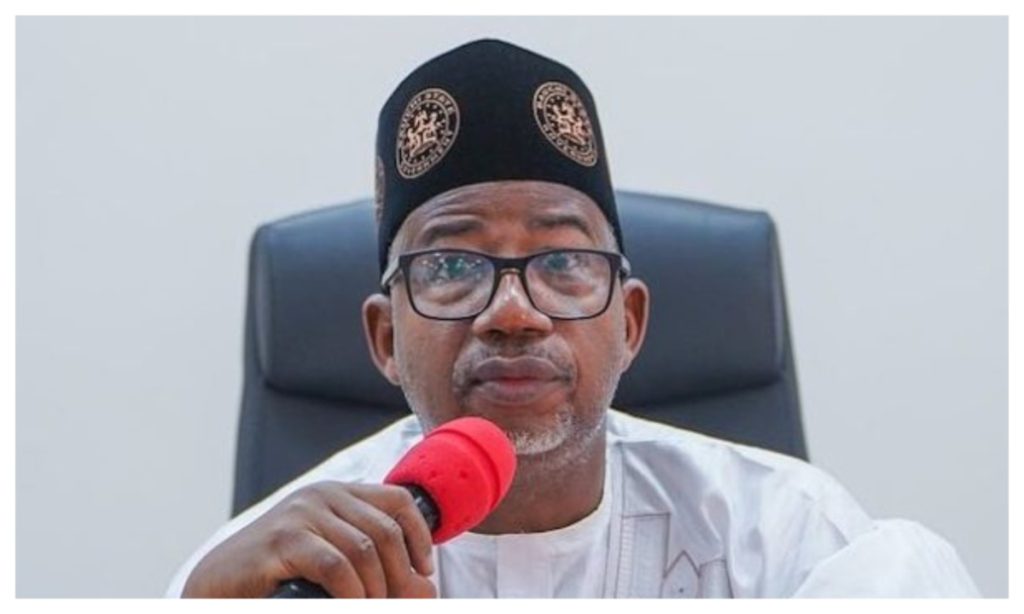
Bauchi State Governor Bala Mohammed has warned that President Bola Ahmed Tinubu is overlooking certain provisions in Nigeria’s new tax laws, which he calls “impurities.” He says these provisions could worsen poverty among the general population and harm state governments. Mohammed’s remarks came as a response to what he perceives as a targeted campaign by the Tinubu administration, and he urged the federal government to re‑examine the tax legislation to protect ordinary citizens and sub‑national entities.
Despite these concerns, the government is moving ahead with the implementation of the tax laws, which the governor believes will adversely affect the most vulnerable segments of society. Earlier, Mohammed accused the All Progressives Congress‑led government of using anti‑corruption agencies to pressure governors into joining the ruling party. This latest dispute signals a deepening rift between the federal government and some state governors, who are pushing back against policies they deem unfavorable.
President Tinubu has reaffirmed his commitment to enforce the new tax laws by 1 January 2026, as scheduled. The move has raised alarms among stakeholders who argue that the laws need further review to avoid disproportionately impacting low‑income individuals and state governments. The controversy highlights the ongoing debate over the role of taxation in Nigeria’s economic development. As the country confronts economic challenges, the federal government must balance revenue generation with the potential effects of tax policies on vulnerable populations. Governor Mohammed’s comments underscore the need for careful consideration and consultation in drafting tax laws to ensure they serve the broader interests of the Nigerian people.



Comments are closed for this story.