The Governor of Adamawa State, Umaru Fintiri, has signed the 2026 appropriation bill into law, authorizing the expenditure of 583.3 billion for the fiscal year. The budget, which was passed by the State House of Assembly, allocates 209.64 billion for recurrent expenditure, representing 35.94% of the total estimate, and 373.69 billion for capital projects, accounting for 64.06% of total spending.
According to Governor Fintiri, the budget is designed to address strategic priorities, including strengthening infrastructure, expanding education and healthcare services, enhancing job creation, and supporting citizens’ welfare. The governor emphasized that the budget is a result of wide consultations with communities across the state, reflecting their aspirations and needs.
In terms of security, Governor Fintiri announced plans to deploy trained forest guards to the Hong Local Government Area to address emerging security challenges. He also pledged to improve working relations with the media and to achieve milestones in education, infrastructure, and other sectors through the proper implementation of the 2026 budget.
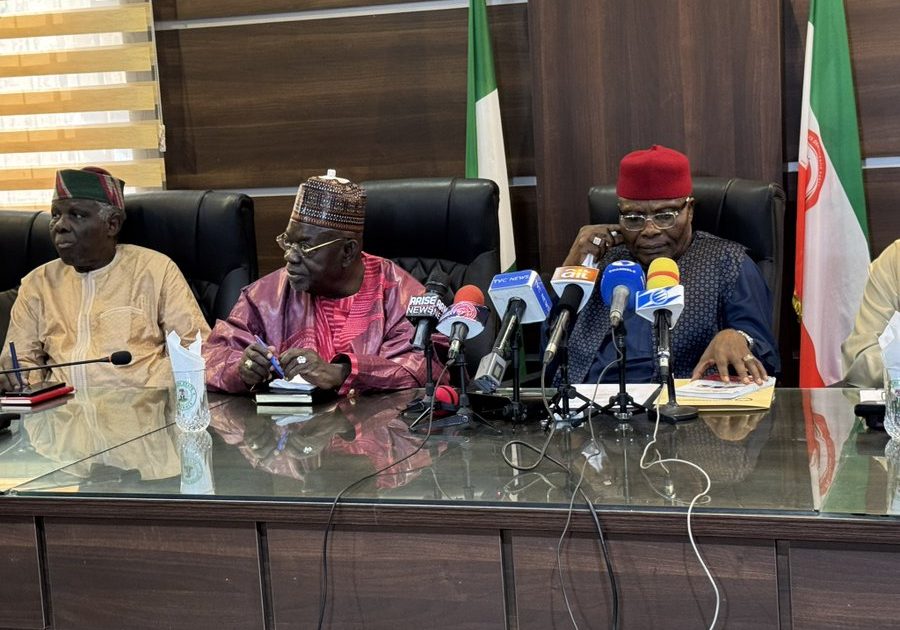
The signing ceremony was attended by the governor’s deputy, Professor Kaletapwa Farauta, the Speaker of the State Assembly, Bathiya Wesley, and other members of the State Assembly and executive council. The 2026 budget is expected to play a crucial role in shaping the state’s development trajectory, with a focus on critical sectors such as infrastructure, education, and healthcare.
The allocation of 373.69 billion for capital projects is significant, as it underscores the government’s commitment to investing in key areas that will drive growth and development. The budget also reflects the government’s efforts to balance recurrent and capital expenditures, ensuring that both the day-to-day needs of the state and its long-term development goals are addressed.
As the state embarks on the implementation of the 2026 budget, it is expected that the government will prioritize transparency, accountability, and effective resource allocation to ensure that the budget’s objectives are achieved. With the signing of the budget into law, the state has taken a significant step towards realizing its development aspirations, and it remains to be seen how the budget will be implemented and its impact on the state’s development.