
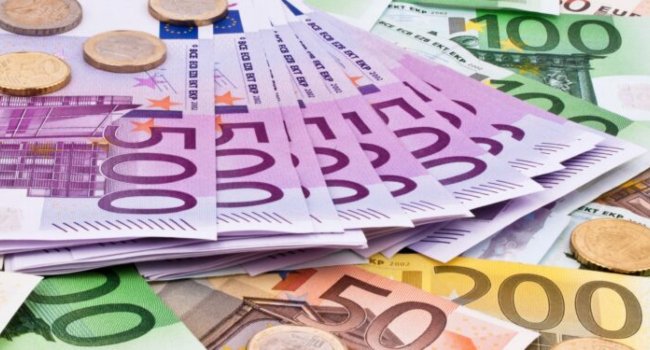
Bulgaria officially adopted the euro on January 1, becoming the 21st country to join the eurozone and marking a major milestone for the Balkan nation nearly 20 years after its accession to the European Union. European Central Bank President Christine Lagarde welcomed Bulgaria to the “euro family,” describing the currency as a powerful symbol of shared values and collective strength. The euro’s introduction is expected to boost the economy of the EU’s poorest member, strengthen ties to the West, and help shield the country from Russian influence.
Reactions among Bulgarians have been mixed. While successive governments have championed euro adoption, a recent Eurobarometer survey shows that 49 % of the population opposes the switch, fearing price hikes and increased political instability. As the transition began, thousands gathered in Sofia to celebrate the New Year. President Rumen Radev called the adoption the “final step” in Bulgaria’s EU integration, though he lamented the lack of a referendum to consult citizens.
European Commission President Ursula von der Leyen highlighted the benefits of the euro, noting that it will simplify travel and living abroad, enhance market transparency and competitiveness, and facilitate trade. Nevertheless, concerns about inflation have risen, with food prices up 5 % year‑on‑year in November—more than double the eurozone average. Some business owners report difficulties obtaining euros, and anti‑EU politicians may seize on any problems with the rollout.
Despite these challenges, the euro’s introduction is a significant step for Bulgaria, bringing the number of Europeans using the currency to over 350 million. As the country navigates this change, monitoring its impact on the economy and its citizens will be essential.



Comments are closed for this story.