
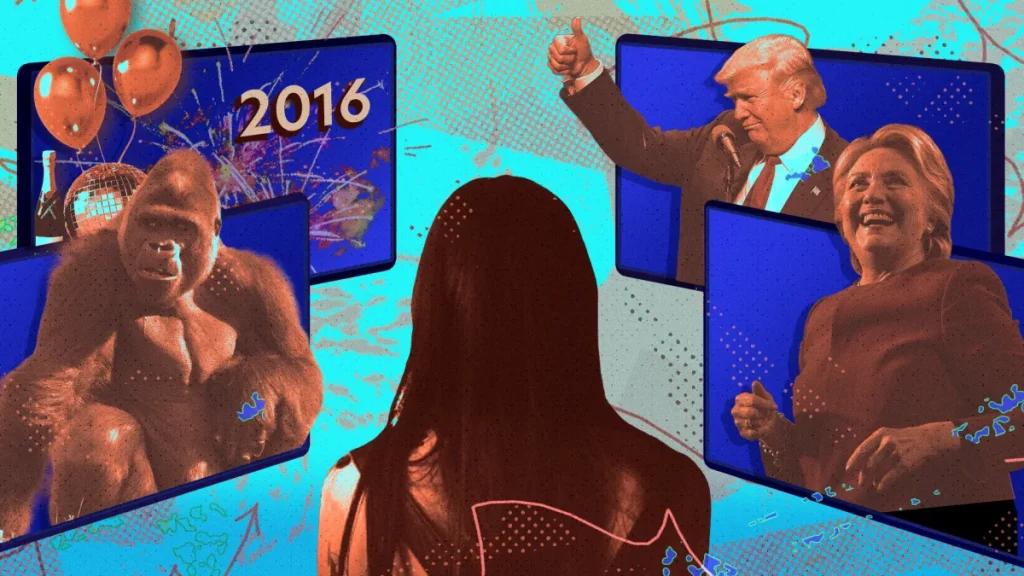
A recent trend on TikTok has highlighted a wave of nostalgia among Gen Z for the year 2016. Although 2016 was marked by major events such as the U.S. presidential election and the deaths of several celebrities, many young people recall it as a carefree period before the world grew increasingly complex.
A GWI survey found that 42 % of Gen Z respondents feel nostalgic for the 2010s, with 2016 standing out in particular. This sentiment is evident on TikTok, where users create content that pays homage to the music, memes and culture of that year. The platform’s algorithm also contributes by repackaging nostalgia through filters and videos that evoke a bygone era.
The longing for a simpler time extends beyond personal memories; it reflects a desire for a more authentic, less performative online environment. For many, 2016 represents the last moment of innocence before the internet became fully algorithmic and social‑media platforms prioritized engagement over genuine interaction. It also precedes a series of disruptive events—including mass shootings, financial crises and the COVID‑19 pandemic—that have reshaped the world.
While nostalgia can sometimes distort our view of the past, Gen Z’s yearning for 2016 underscores a deeper wish for a carefree and authentic era. This feeling is not unique to the generation; people often look back on past decades with fondness. However, for Gen Z, 2016 holds particular significance as a turning point before increasing complexity and uncertainty took hold.
As social media continues to evolve and shape online experiences, nostalgia for past decades is likely to remain a prominent theme. The 2016 nostalgia trend serves as a reminder of how significant events and cultural shifts impact our collective psyche and highlights the importance of understanding the complexities of online interactions and their effects on younger generations.




Comments are closed for this story.