The Coalition of United Political Parties (CUPP) has accused President Bola Tinubu of being a key player in the ongoing political crisis between Minister of the Federal Capital Territory, Nyesom Wike, and Rivers State Governor, Siminalayi Fubara. According to CUPP, the situation in Rivers State is not deteriorating by chance, but is instead being deliberately manipulated as a political sacrifice to President Tinubu.
CUPP claims that two prominent figures, driven by a desire for powerful patronage and fearful of becoming irrelevant, have abandoned responsible leadership and are instead engaging in a shameful rivalry to gain favor with President Tinubu. This has resulted in the torching of the collective destiny of millions of people in Rivers State, with the ordinary citizens being the ultimate sufferers.
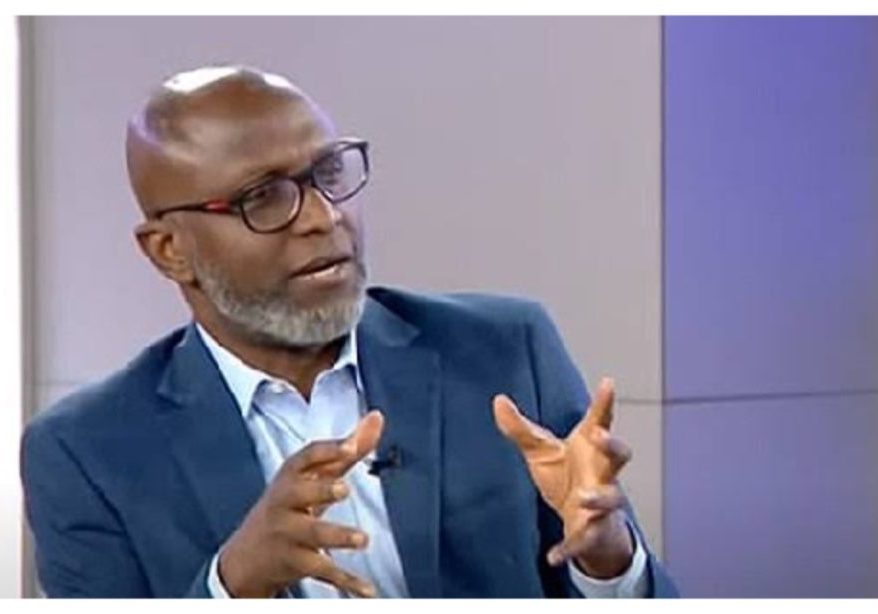
The opposition coalition notes that the crisis, which has seen multiple interventions, including a state of emergency and peace accords brokered by the Presidency, has ultimately consolidated federal control over Rivers State politics. CUPP’s National Secretary, High Chief Peter Ameh, stated that President Tinubu is the winner in the battle between Wike and Fubara, with both leaders now firmly under the influence of the Presidency.
The resolution of the impasse has effectively ended any semblance of independent political maneuvering in the oil-rich state. Chief Ameh lamented that the real losers in this power struggle are the people of Rivers State, who are suffering from disrupted governance, erosion of democratic institutions, and the diversion of resources and attention from critical development needs to endless political intrigues.
CUPP has called on the people of Rivers State to remain vigilant and demand responsible leadership from their leaders, urging a return to issue-based politics that prioritizes the welfare of citizens over personal ambitions. The coalition has reaffirmed its commitment to defending democracy and the rule of law across Nigeria, warning that unchecked federal overreach in state matters sets a dangerous precedent for the nation’s federalism.
The situation in Rivers State has significant implications for the country’s political landscape, with concerns about the erosion of democratic institutions and the concentration of power at the federal level. As the crisis continues to unfold, it remains to be seen how the people of Rivers State will respond to CUPP’s call for responsible leadership and a return to issue-based politics.