A public debate has emerged between the Nigeria Police and former Big Brother Naija star, Leo Da Silva, over strategies to combat the “one chance” menace and street-level scams in major Nigerian cities. The discussion began when Da Silva expressed frustration with current police deployment strategies, suggesting that roadside checkpoints are ineffective and that efforts should be focused on bus stops where “one chance” operators are more active.
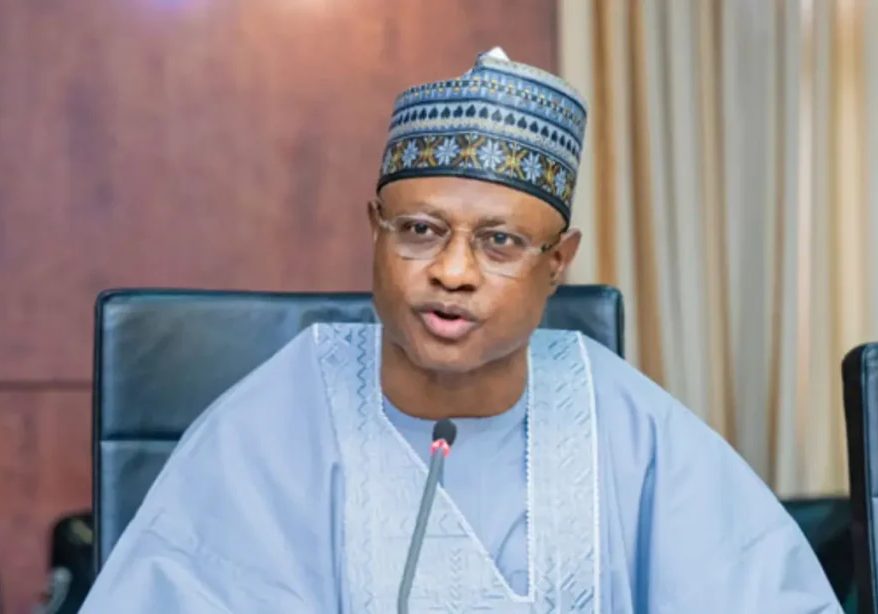
Da Silva took to social media to voice his concerns, stating that “one chance” is a form of “mini kidnapping” and “mini banditry” that requires urgent attention. He questioned the usefulness of police checkpoints, proposing that manpower would be better utilized in investigating and apprehending “one chance” operators at bus stops. The reality TV star’s comments sparked a response from the Force Public Relations Officer, Benjamin Hundeyin, who emphasized the need for balanced enforcement strategies that protect citizens from harassment while addressing crime.
Hundeyin suggested that installing 24/7 CCTV coverage at bus stops could be a more effective solution, allowing police to monitor and respond to criminal activity without causing unnecessary delays or harassment to commuters. Da Silva clarified that his primary concern is ensuring police manpower is prioritized towards directly tackling criminal activity, rather than traditional checkpoints. He highlighted the specific challenges in Nigeria’s capital cities, Abuja and Lagos, where “one chance” operators are particularly active.
The debate highlights the need for innovative and effective strategies to address street-level crimes in Nigeria. The use of technology, such as CCTV coverage, could potentially enhance policing efforts while minimizing friction with citizens. As the discussion continues, it is likely that the Nigeria Police will consider alternative approaches to combat the “one chance” menace and other forms of petty crime. By exploring new solutions and engaging with the public, the police force can work towards creating a safer and more secure environment for all Nigerians. The outcome of this debate may lead to significant changes in the way police tackle street-level crimes, ultimately contributing to improved public safety and trust in law enforcement.