
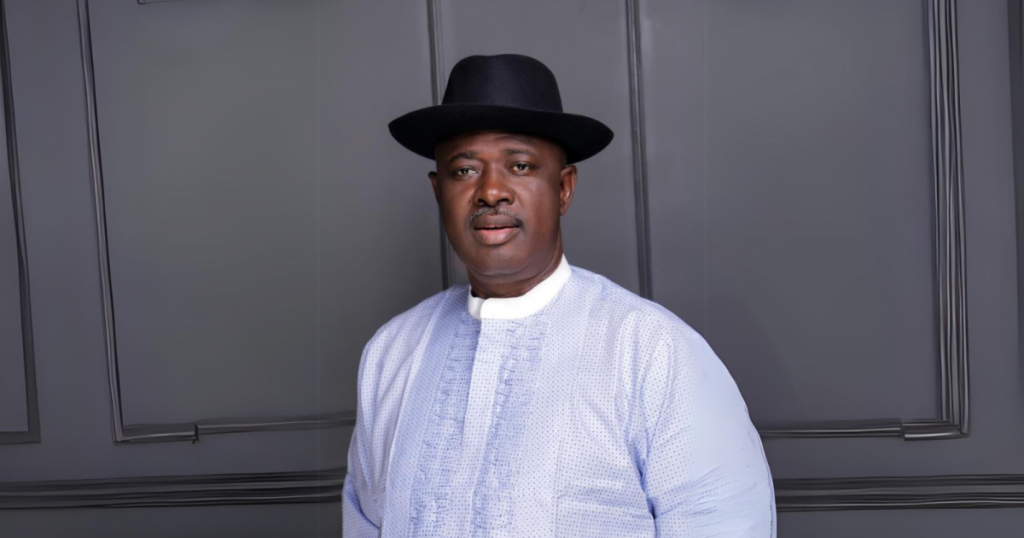
Nigeria secured $18.2 billion in new oil and gas investments in 2025, emerging as Africa’s top destination for final investment decisions (FIDs) in the sector, according to the Minister of State for Petroleum Resources (Oil), Heineken Lokpobiri.
Speaking at the opening of the 9th Nigeria International Energy Summit (NIES) 2026 in Abuja, Lokpobiri announced the signing of 28 new field development plans with an estimated production potential of 1.4 billion barrels of oil. This accounted for four of the seven major FIDs announced across Africa between 2024 and 2025. The minister attributed this turnaround to deliberate policy reforms, improved governance, and greater regulatory clarity under the current administration, which have restored investor confidence after years of stalled projects and declining output.
Specific reforms cited include the full implementation of the Petroleum Industry Act (PIA), which established a stable fiscal framework and clearer licensing processes. The Upstream Petroleum Operations (Cost Efficiency Incentives) Order 2025 was also highlighted for addressing sector cost pressures through tax credits and reduced operating costs. Furthermore, “Project One Million Barrels,” launched in October 2024, boosted crude production to between 1.7 and 1.83 million barrels per day—a roughly 20% increase—while the number of active drilling rigs rose from 14 in 2023 to over 60.
Lokpobiri noted that International Oil Companies’ divestment of onshore and shallow-water assets to Nigerian firms added approximately 200,000 barrels per day to national output and was completed swiftly. However, he acknowledged ongoing challenges, particularly in the oil and gas service sector. A misinterpretation of local content laws, he said, had fostered the growth of unqualified “briefcase EPC companies,” displacing both international contractors and capable indigenous firms.
The summit’s theme, “Energy for Peace and Progress: Securing Our Shared Future,” frames discussions on Africa’s energy security. Lokpobiri stressed that Africa’s $120 billion annual hydrocarbon import bill represents a major opportunity loss, advocating for stronger support of the African Energy Bank, headquartered in Nigeria.
In a separate keynote, Adegbite Falade, Chairman of the Independent Petroleum Producers Group (IPPG) and CEO of Aradel Holdings, emphasized that Nigeria’s indigenous producers and independents now account for over 50% of national production. He called for urgent reforms to streamline industry fees, reduce bureaucracy, and improve access to long-term, affordable capital to maintain growth and competitiveness.
Stakeholders at the summit concluded that Nigeria’s oil and gas sector is on a strong recovery path, driven by policy and regulatory reforms. Sustained collaboration between government, indigenous companies, and international partners is deemed essential to consolidate gains, expand domestic energy access, and solidify the country’s position as a regional energy hub.

Comments are closed for this story.