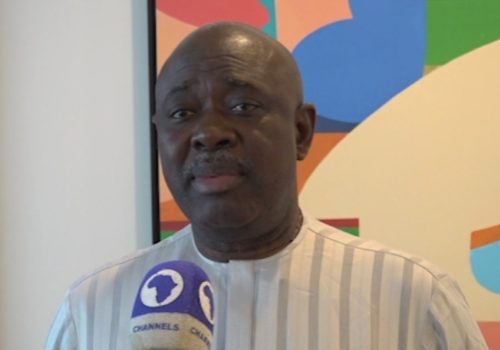
Public affairs analyst Ken Okolugbo, a former PDP spokesperson who joined the APC following President Bola Tinubu’s election, provides a robust defence of the administration’s economic reforms and addresses growing political defections ahead of the 2027 polls. In an interview with the Media Talk Africa, Okolugbo argues that controversial policies, such as the removal of fuel subsidies and naira float, were necessary corrections to systemic fraud under the previous Buhari administration, despite the immediate economic pain they caused.
Okolugbo clarified that recent loan approvals by the National Assembly were not new borrowing but funds already embedded in the 2025 budget’s deficit financing plan, stressing that improved communication on budgetary provisions is needed to alleviate public concern. He credited President Tinubu with taking “bold steps,” including tackling corruption, where he cited significantasset recoveries by the EFCC. However, he acknowledged public perception of selective justice in high-profile cases like that of former Governor Yahaya Bello and ex-Attorney General Abubakar Malami, advocating for specialised courts to expedite corruption trials and improve public understanding of anti-graft efforts.
On the political landscape, Okolugbo stated that while the APC is experiencing “implosions” due to internal friction from new defectors, the mass movement of politicians into the party is driven by Tinubu’s policies and personal integrity, not coercion. He pointed to improved security and economic indicators, such as rising crude oil production and reduced theft, as evidence of progress. Nevertheless, he candidly admitted the dissolution of the FADAMA project and persistent insecurity have hurt agricultural output, contributing to thecurrent hardship.
Looking to 2027, Okolugbo identified the Labour Party’s Peter Obi as a potential threat if he becomes the presidential candidate, though he dismissed the African Democratic Congress (ADC) as a serious opposition force, viewing it mainly as a platform for Tinubu’s critics. He warned that internal democracy during primaries will be crucial for the APC’s cohesion, citing the PDP’s 2023 failures as a cautionary tale.
Regarding the Rivers State crisis between Governor Siminalayi Fubara and his predecessor, Nyesom Wike, Okolugbo criticised Fubara’s “ingratitude,” suggesting the governor’s rebellion against his political benefactor undermines stability. On his recent departure as media consultant to Senate President Godswill Akpabio, Okolugbo cited personal and business commitments but praised their working relationship.
He strongly rebutted claims that the 10th Senate is a “rubber stamp,” highlighting its legislative productivity—passing over 96 bills and signing 55 into law—and its non-confrontational, results-oriented approach, contrasting it with what he described as a media narrative based on “rumours and blackmail.” Okolugbo concluded that Tinubu’s reforms, while painful, have averted a Venezuela-like collapse and that the APC’s challenge is to manage internal disputes while communicating its achievements effectively to an electorate bearing the brunt of economic adjustment.