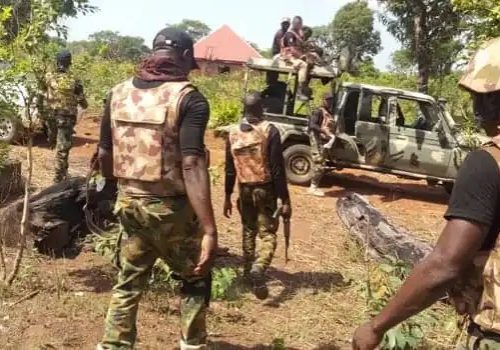
Prominent Islamic cleric Sheikh Ahmed Gumi has publicly dismissed as false and digitally fabricated viral social media reports and an accompanying image claiming he was arrested by United States military personnel in Nigeria.
The speculation emerged after a photograph circulated online on Thursday, February 5, allegedly showing Gumi’s detention by U.S. soldiers at a Nigerian airport. The claims, which suggested the arrest was part of a foreign counterterrorism operation, quickly gained traction. Some posts alleged Gumi was attempting to travel to Turkey and contained unsubstantiated accusations linking him to terrorist organizations.
Addressing journalists directly, Gumi rejected the entire narrative as illogical. “The US Army cannot arrest me in Nigeria, why will the US army come and arrest me in Nigeria, for what reason?” he stated. He unequivocally confirmed his freedom, saying, “I have not been arrested.”
Regarding the widely shared photograph, Gumi insisted it was not genuine. “The image is Artificial Intelligence (AI)-generated. Even a layman will know that the image is AI,” he said, urging the public not to be misled by the fabrication.
Gumi is a highly influential figure in northern Nigeria, known for his extensive following and occasional mediation efforts with militant groups. The false reports have highlighted the rapid spread of sophisticated misinformation using AI-generated imagery within Nigeria’s complex security landscape.
The unfounded allegations touch upon sensitive issues of national sovereignty and international counterterrorism collaboration. Nigeria has previously partnered with the U.S. on security initiatives, including intelligence sharing, but the stationing or operation of foreign military personnel for arrests on Nigerian soil without government consent would constitute a severe breach of international law and sovereignty.
Gumi’s swift and definitive denial, coupled with his technical assessment of the image, aims to counter the disinformation. The incident underscores ongoing challenges with viral misinformation in the region, where digital forgeries can quickly influence public perception and political discourse. Observers note that such fabrications may aim to discredit prominent figures or fabricate incidents to erode trust in state institutions and international partnerships. The cleric’s office has not indicated any plans for further legal action regarding the posts.