
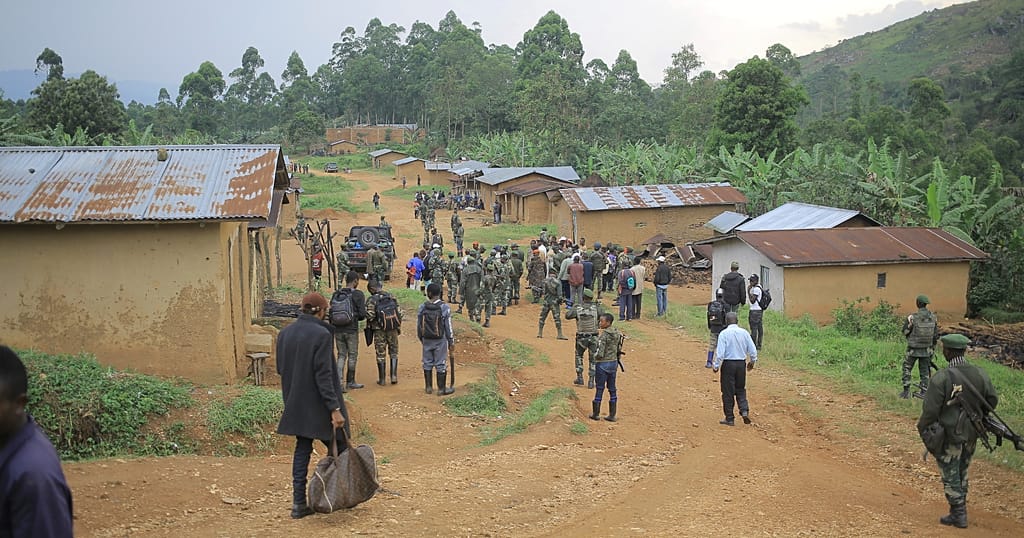
Violence Escalates in Eastern Congo as ADF Attack Leaves 66 Dead
A mass killing attributed to the Allied Democratic Forces (ADF) has left at least 66 civilians dead in eastern Democratic Republic of Congo (DRC), local officials and the United Nations reported Saturday. The violence occurred in the Irumu territory of Ituri province, near the border with Uganda, underscoring the persistent security crisis in the region.
According to Jean Tobie Okala, spokesperson for the UN mission in Ituri, the attack took place between Thursday and Friday, July 11, in the Walese Vonkutu chiefdom. Initial reports cited 31 fatalities, but civil society sources later confirmed the death toll had risen to 66. Okala described the scene as a “bloodbath,” with all victims, including women, reportedly killed with machetes. An unknown number of people were also taken hostage.
The ADF, a Ugandan Islamist militant group, has been active in eastern Congo for over two decades and formally declared allegiance to the Islamic State group in 2019. While its origins lie in Uganda, the group now operates primarily from bases in the DRC’s North Kivu and Ituri provinces, frequently targeting civilians. Rights organizations and the UN have accused the ADF of orchestrating hundreds of killings and abductions, including of children, in recent years.
This latest incident is suspected to be a retaliation for a joint military operation launched by Congolese and Ugandan forces on Sunday, which has intensified bombing campaigns against ADF positions. The group’s presence remains a significant security challenge, with attacks spreading beyond traditional strongholds toward major hubs like Goma.
The violence in eastern Congo occurs against a backdrop of shifting conflict dynamics. While a separate rebellion by the M23 group, backed by Rwanda, may be nearing a negotiated end, the ADF’s campaign continues unabated. Muslims, who comprise about 10% of Congo’s population and are largely concentrated in the east, are often caught in the crossfire of such sectarian and territorial conflicts.
The massacre highlights the fragility of civilian protection in the DRC’s unstable eastern provinces. Despite the presence of a large UN peacekeeping mission and ongoing regional military coordination, armed groups continue to exploit local grievances and porous borders to carry out brutal attacks. The international community has consistently called for strengthened efforts to dismantle the ADF, but persistent insecurity continues to exact a devastating human toll on communities near the Ugandan frontier.




Comments are closed for this story.