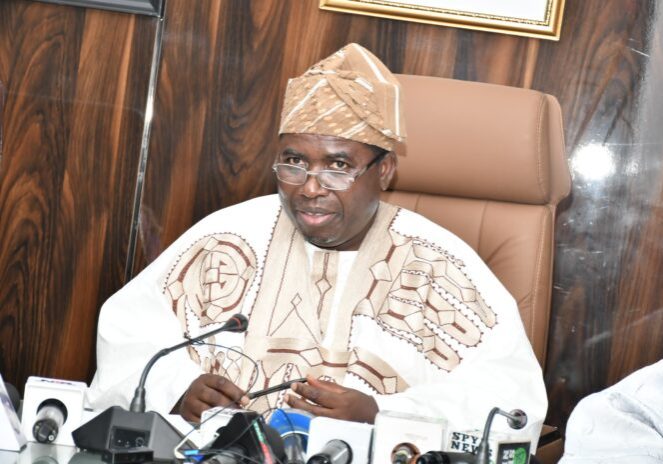
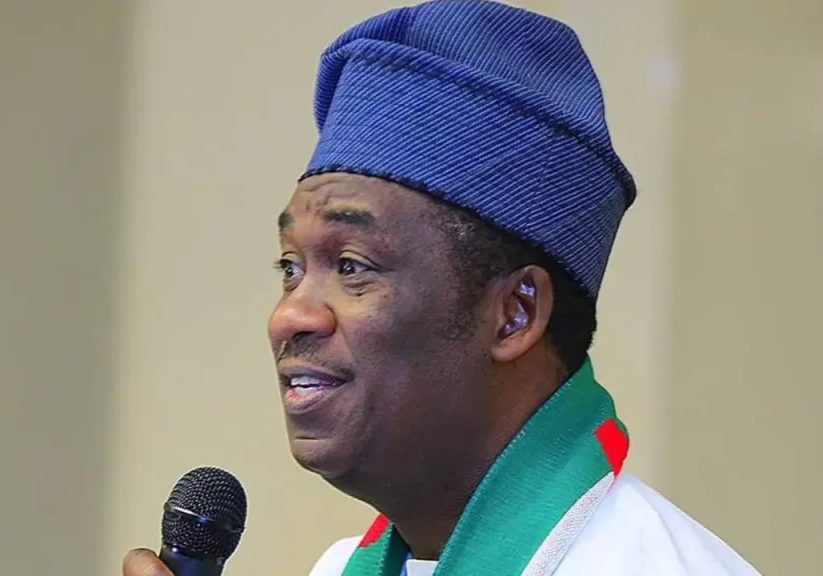
Former presidential candidate Peter Obi campaigned in Abuja’s Kado-Kuchi district on Monday, rallying support for African Democratic Congress (ADC) candidates ahead of the Federal Capital Territory (FCT) area council elections scheduled for February 21, 2026. The event, captured in a video reviewed by Media Talk Africa, drew a large crowd that chanted slogans including “Our vote must count,” underscoring a focus on electoral integrity.
Obi, who finished third in Nigeria’s 2023 presidential race, is not a member of the ADC but has previously supported the party in regional contests. His appearance highlighted the ADC’s ongoing efforts to consolidate opposition support in the FCT, where the party currently holds several area council chairmanship and councillorship seats. The 2026 polls will elect chairmen and councillors across Abuja’s six area councils—Abaji, Abuja Municipal, Bwari, Kuje, Kwali, and Gwagwalada—positions responsible for local administration, primary healthcare, and community development.
The rally aimed to mobilize voters in preparation for the 2026 elections, a critical test for grassroots political organization in Nigeria’s capital. Local government elections in the FCT often receive diminished national attention compared to state and presidential votes, yet they directly impact daily civic services. Voter turnout in previous FCT council polls has varied, with apathy and logistical challenges frequently cited.
During the visit, supporters gathered at a prominent location in Kado-Kuchi, holding ADC banners and repeating chants heard in the video. The phrase “Our vote must count” reflects persistent public concerns about ballot credibility and result transparency—issues that have marred recent electoral cycles across Nigeria. While no violence was reported, the demonstration signaled heightened engagement among some Abuja communities ahead of the 2026 polls.
Obi’s involvement may amplify the ADC’s profile in the FCT, where the party operates alongside larger national groups like the ruling All Progressives Congress (APC) and main opposition Peoples Democratic Party (PDP). Analysts note that high-profile surrogates can energize base voters but may not overcome structural disadvantages faced by smaller parties in resource allocation and campaign visibility.
The February 2026 election date was fixed by the Independent National Electoral Commission (INEC) as part of its off-cycle schedule for the FCT. Area council chairmen serve four-year terms and oversee budgets funded through federal allocations and local revenue. Outcomes will influence service delivery in Nigeria’s capital for the subsequent administration.
Monday’s rally illustrates ongoing realignments within Nigeria’s opposition landscape ahead of the next general elections in 2027. With the ADC seeking to maintain its FCT foothold, Obi’s campaign trail presence reinforces his continued role as a mobilizing figure for anti-establishment voting blocs. The event also previews a likely intensification of local political contests across Abuja’s communities as the 2026 council election approaches.
The next key milestone will be the official commencement of campaigns by all parties, expected in early 2026. Voter education and security arrangements for the area council polls will be closely monitored by civil society and diplomatic observers, given the FCT’s symbolic status as the seat of Nigeria’s federal government.