
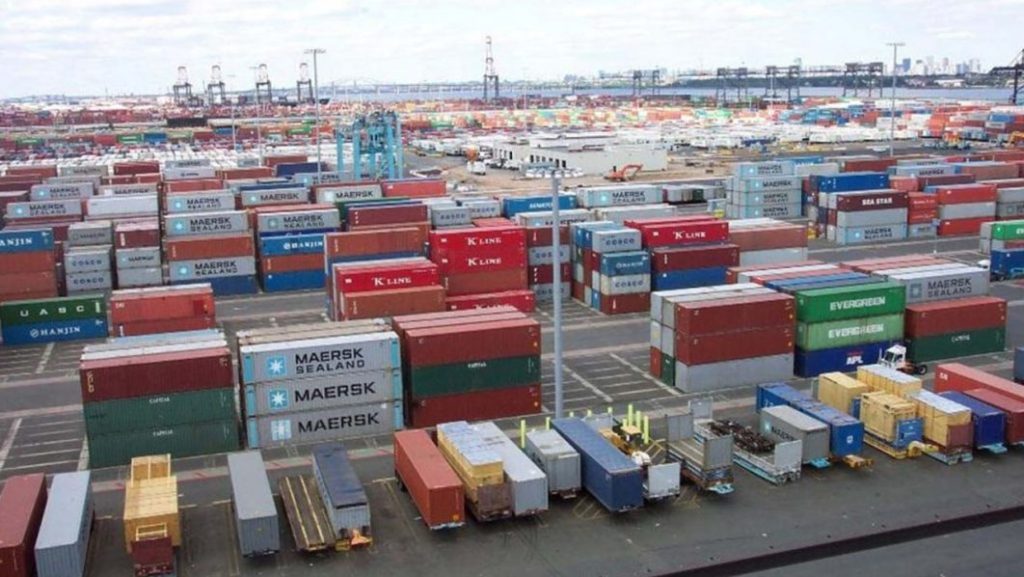
A total of 28 vessels, carrying petroleum products, containerised cargo, and other commodities, are scheduled to arrive at Lagos ports between February 19 and February 28, according to the Nigerian Ports Authority (NPA). The authority’s latest Shipping Position, released Thursday in Lagos, details the ongoing vessel traffic at the nation’s primary maritime gateway.
The scheduled arrivals comprise 20 container ships laden with assorted goods and eight tankers transporting crude oil, diesel, blended petroleum stock, aviation fuel, and general cargo. This influx follows the recent arrival of 12 vessels—including tankers—at Apapa Port, Tin Can Island Port, and Lekki Deep Sea Port, which are currently awaiting berthing space. These inbound ships are carrying bulk urea, aviation fuel, bulk wheat, general cargo, containers, and petrol.
Concurrently, port operations remain active with 18 ships currently discharging cargo across the facilities. These vessels are offloading a diverse range of goods including general merchandise, bulk pallets, urea, gypsum, diesel, crude oil, wheat, and motor vehicles.
The NPA stated that the steady flow of vessel arrivals and the active discharge of cargo reflect sustained port operations and consistent cargo throughput at Lagos’ major seaports. As Nigeria’s largest port complex, the efficiency of Lagos ports is critical for national trade, serving as a primary gateway for imports and exports across West Africa. The volume of scheduled vessel calls underscores the continuing demand for maritime logistics in the region.
The consistent vessel movement, from awaiting berth to active discharge, indicates a functional, though potentially busy, operational environment. This schedule provides a snapshot of trade flows through the ports, highlighting the ongoing reliance on sea transport for petroleum products, consumer goods, and industrial commodities within Nigeria’s supply chain.




Comments are closed for this story.