
Ten armed men aboard a U.S.-registered speedboat were intercepted and engaged in a gunfight with Cuban border guards after attempting to enter Cuban territorial waters, authorities said. The confrontation on Wednesday morning resulted in three fatalities among the suspects and injuries to others, according to a statement from the Cuban Embassy in the United States.
The incident began when a patrol vessel of Cuba’s border guard, with five crew members, approached the speedboat for interception. Cuban authorities stated the suspects opened fire, wounding the patrol boat’s captain. The guards returned fire. The embassy described the operation as an “armed infiltration for terrorist purposes.”
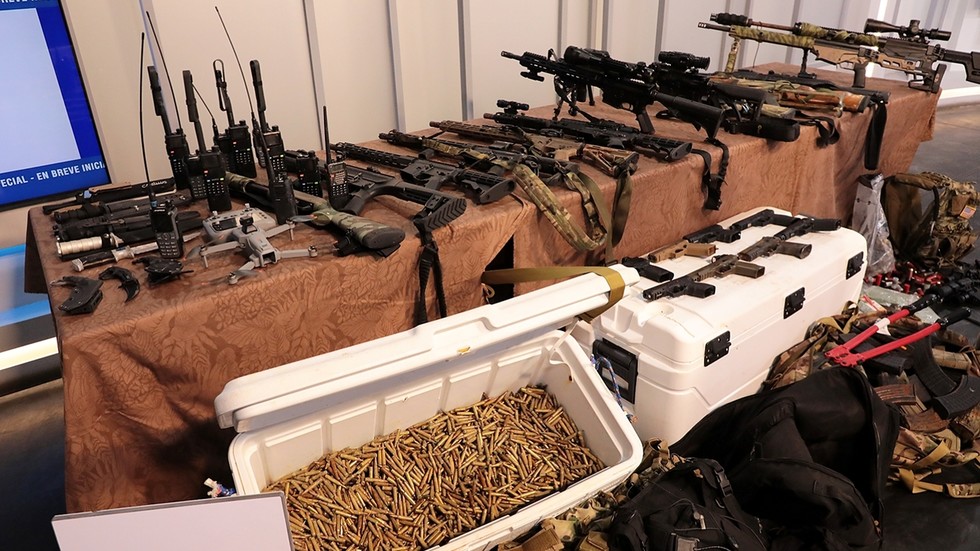
Following the confrontation, Cuban authorities seized a substantial arsenal from the boat and its occupants. The confiscated items include multiple AR-15 rifles, pistols, knives, 134 magazines, and 12,846 rounds of ammunition of various calibers. Additionally, a drone, a portable generator, ten communications devices, and Molotov cocktails were captured. Each individual suspect reportedly carried a prepared kit containing a rifle, pistol, knife, camouflage uniform, balaclava, helmet—some fitted with night or thermal vision—a medical kit, and other accessories.
Investigations revealed that two boats originally departed from Florida. One experienced technical difficulties, leading all occupants to consolidate onto the second vessel, which ultimately reached Cuban waters. Cuban state security identified one of the deceased individuals as Amijail Sanchez Gonzalez, previously flagged by authorities for links to terrorist activities.
Colonel Victor Alvarez Valle of the Interior Ministry’s Criminal Investigation department stated that the alleged mastermind behind the operation is Maritza Lugo Fernandez, a U.S. resident and member of the November 30th anti-Castro insurgency group. The Cuban government asserts the response was proportionate and followed established protocols for dealing with such maritime threats.
The event highlights the persistent and often fraught nature of maritime security around Cuba, particularly concerning unauthorised incursions from Florida. Cuban authorities have presented the seizure as evidence of a premeditated, militarised infiltration attempt. The investigation into the network’s origins, funding, and exact objectives remains active. The incident is likely to be scrutinised in the context of long-standing political tensions between Havana and Washington, as well as ongoing concerns about illicit trafficking and armed groups operating in the Caribbean region.


Comments are closed for this story.