
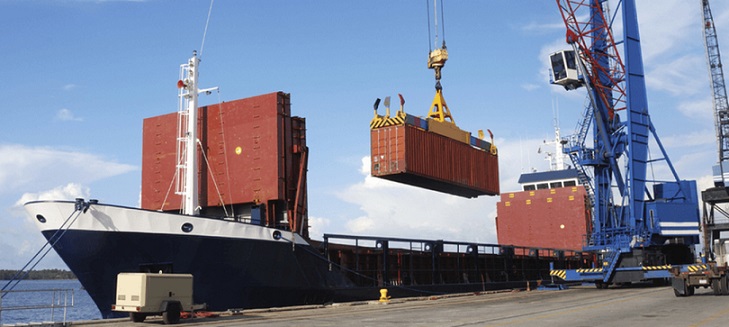
The Nigerian Ports Authority (NPA) reported robust maritime activity across Lagos ports, with 21 vessels currently discharging a diverse range of cargo, including petroleum products and essential commodities. The update, contained in the authority’s daily ‘Shipping Position’ release, provides a snapshot of operational throughput at the key terminals of Apapa, Lekki, and Tin-Can Island.
According to the NPA, the ships at berth are offloading critical supplies such as aviation fuel, petrol, diesel, and bulk gas. The cargo manifest also includes general cargo, bulk wheat, bulk sugar, fresh fish, soya bean oil, bulk clinker, containers, bulk alkaline, and cargo trucks, underscoring the ports’ role as a multi-sectoral gateway.
Furthermore, the NPA disclosed that 41 additional ships are scheduled to arrive between February 28 and March 7. These expected vessels are laden with petroleum products like petrol and crude oil, as well as bulk fertiliser, bulk salt, bulk wheat, bulk sugar, general cargo, and assorted containerised goods.
The report also highlighted a queue of 17 ships that have already arrived in the harbour but are awaiting berthing space. These vessels carry similar essential cargoes, including diesel, aviation fuel, crude oil, ethanol, bulk urea, bulk wheat, general cargo, and bulk pallets.
This sequential activity—ships discharging, others inbound, and a backlog awaiting berth—illustrates the sustained demand and logistical pressures at Nigeria’s premier port complex. The consistent flow of energy products, food staples, and raw materials through Lagos ports is pivotal for national supply chains, economic stability, and the distribution of goods across West Africa. The NPA’s daily tracking serves as a key indicator of port efficiency and cargo movement in the region.




Comments are closed for this story.