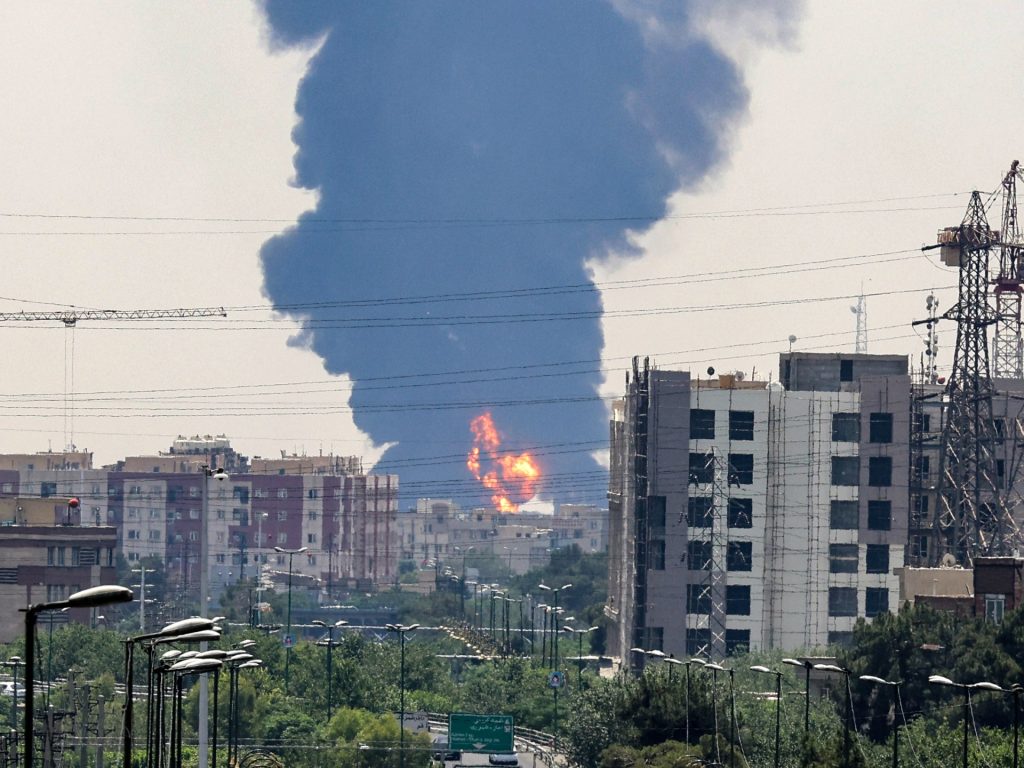
The OPEC+ alliance, led by Saudi Arabia and Russia, approved a larger-than-expected oil production increase on Sunday, agreeing to add 206,000 barrels per day to global supply from April. The decision by the group’s core “Voluntary Eight” members comes amid escalating military tensions between Iran and Israel and the United States, though the official statement cited “steady global economic outlook and current healthy market fundamentals” as the reason for the adjustment.
The increase exceeds the 137,000 bpd rise analysts had predicted prior to the meeting. The Voluntary Eight includes key Gulf producers—Saudi Arabia, the United Arab Emirates, Kuwait, and Iraq—that were targeted by Iranian missile strikes over the weekend. While the move aims to stabilize markets, energy analysts warn it may be insufficient to counter the immediate supply threats from the conflict.
The focus is now on the Strait of Hormuz, through which nearly a quarter of the world’s seaborne oil passes. Iranian forces have announced the waterway is closed, and state media reported an oil tanker struck and sinking while allegedly trying to transit the strait. “If oil cannot move through Hormuz, an extra 206,000 barrels per day does very little to ease the market,” said Jorge Leon of Rystad Energy. He emphasized that “logistics and transit risk matter more than production targets right now,” predicting the OPEC+ decision will not calm markets as prices will react to shipping disruptions.
Stephen Innes of SPI Asset Management described a full closure of the strait as a “nightmare scenario,” with insurers already wary and commercial shippers acting as if the route is compromised. Based on industry estimates, a prolonged blockage could drive oil prices from around $72 per barrel to between $120 and $150 when trading opens Monday. While Saudi Arabia and the UAE have land pipelines as partial alternatives, analysts note these cannot fully replace the seaborne flow, leaving a potential shortfall of 8 to 10 million barrels per day.
The cartel’s move highlights a strategic dilemma: higher prices from supply fears risk encouraging more investment from non-OPEC+ producers like the United States, Canada, and Brazil. Analysts suggest OPEC+ prefers a price range of $80-$90 per barrel to discourage rival output; around $70 is seen as ideal. With Russian production already declining, only Saudi Arabia, the UAE, and, to a lesser extent, Kuwait and Iraq, have significant spare capacity to boost output further.
The immediate market direction now hinges on physical oil flows through the Gulf, not on paper production quotas. How long shipping disruptions persist will determine whether the OPEC+ adjustment is rendered largely symbolic in the face of a potential supply crisis.