
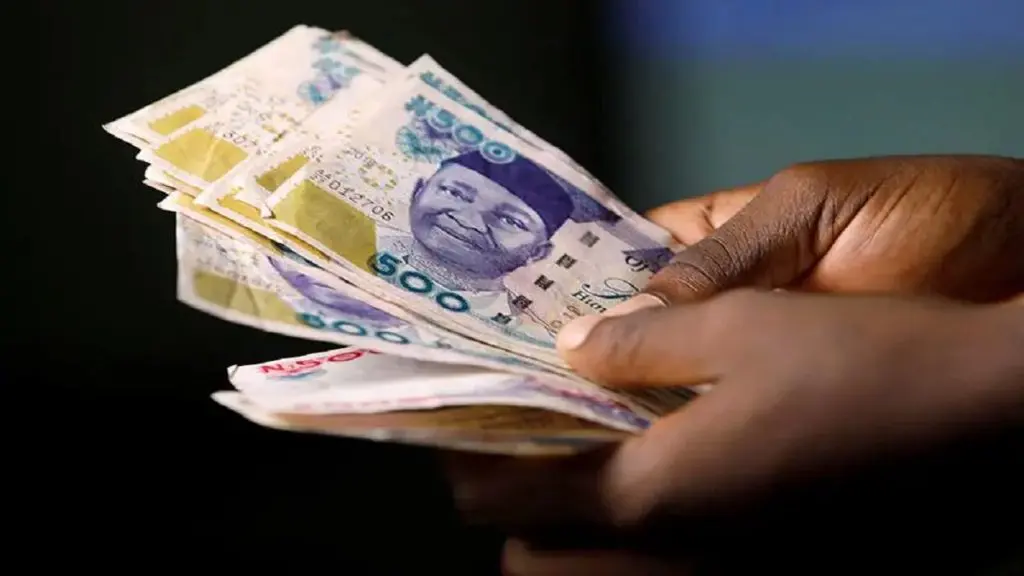
The Nigerian Naira experienced its steepest single-day decline on the official foreign exchange market this year, dropping to N1,378.03 per US dollar on Monday, according to Central Bank of Nigeria (CBN) data. This marks a depreciation of N14.64 from the previous Friday’s closing rate of N1,363.39, signalling renewed pressure on the currency following recent policy adjustments.
The weakening extended to the parallel (black) market, where the Naira closed at N1,380 per dollar on Monday, a N5 loss from the prior week’s N1,375 rate. The narrowing gap between the official and parallel market rates—now just N1.97—suggests a convergence in pricing pressure across both segments, a notable shift from wider disparities seen in earlier periods.
This depreciation follows the CBN’s recent strategy of reducing dollar supply in the official market, a move aimed at supporting foreign exchange reserves and encouraging greater liquidity from alternative sources. Despite the ongoing pressure, the nation’s gross foreign reserves have shown resilience, standing at $49.51 billion as of late February, according to apex bank figures.
Analysts note that the convergence of rates indicates the impact of market forces is now permeating both regulated and unregulated segments, potentially reducing opportunities for arbitrage but also reflecting deeper demand-supply imbalances. The consistent decline since last week underscores the challenge of stabilising the Naira amid constrained dollar availability and strong demand for foreign currency.
The CBN has repeatedly stated its commitment to a market-driven exchange rate while using interventions sparingly to manage volatility. However, the latest move suggests the bank may be prioritising reserve preservation over direct support for the currency in the short term. Market observers will be watching closely for any adjustments in monetary policy or further clarity on the bank’s long-term forex management strategy as the Naira tests new lows.
For now, the single-day drop highlights persistent macroeconomic headwinds, including import demand and capital flow volatility. Without a significant increase in foreign exchange earnings from exports or investments, the pressure on the Naira is likely to endure, keeping inflation and living costs under upward strain. The trajectory also raises questions about the effectiveness of current policies in achieving a stable and unified exchange rate regime, a key goal for Nigeria’s economic planners.




Comments are closed for this story.