China’s military has drawn strategic lessons from the recent US-Israeli attack on Iran, warning that internal betrayal poses the gravest threat and that “blind faith in peace” represents a “costliest miscalculation.” The analysis, published by China Military Bugle, the official social media account of the People’s Liberation Army, outlines five key takeaways for national security strategy.
The graphic commentary follows strikes described as targeting government, military, and nuclear sites across Iran, which the post claims resulted in the death of Supreme Leader Ayatollah Ali Khamenei and senior commanders. It cited the subsequent Iranian retaliation and the broader regional escalation as a case study.
The first lesson identified internal betrayal as the “deadliest threat,” an apparent reference to anti-government protests in Iran that Tehran attributes to foreign instigation. It specifically noted reports that Israeli intelligence penetration of Tehran’s CCTV network may have facilitated the assassination.
Second, the post cautioned against “blind faith in peace” as the “costliest miscalculation.” Third, it stated the “coldest reality” that superior firepower frequently dictates conflict outcomes. Fourth, it warned of the “illusion of victory,” pointing to long-term instability following past US interventions in Iraq, Syria, and Libya. Finally, it declared that “self-reliance” is the only true guarantee of national sovereignty.
China has officially condemned the strikes as “unacceptable,” denouncing the killing of a sovereign leader and alleged incitement of regime change. Beijing has called for an immediate ceasefire and a return to diplomacy. Foreign Minister Wang Yi relayed concerns to his Israeli counterpart, noting that US-Iran nuclear negotiations, which had made “significant progress,” have now collapsed. He stated those talks were also addressing Israeli security issues.
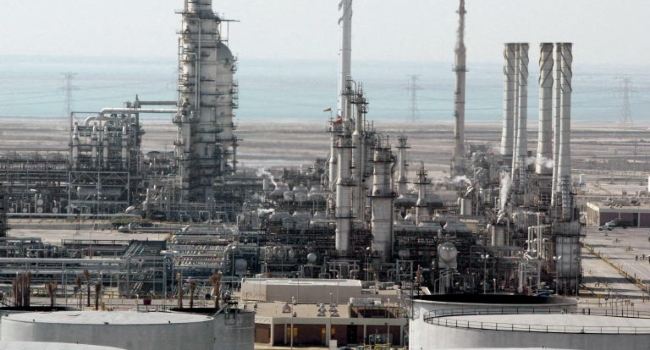
Strategically, China has urged all parties to keep the Strait of Hormuz open. Maritime traffic through the critical oil shipping lane has dropped approximately 70% following attacks on tankers. This development holds direct economic importance for China, which purchases over 80% of Iran’s oil exports, according to various estimates.
The publication of these lessons by an official PLA channel underscores Beijing’s consistent advocacy for sovereignty and non-interference, while reflecting deep concern over regional instability that threatens energy security and global trade routes. The analysis positions self-sufficiency and internal cohesion as paramount, implicitly critiquing reliance on external alliances and the perils of diplomatic naivety in an assertive geopolitical environment.