
Fuel prices in Nigeria have surged following an increase in the wholesale cost set by the Dangote Refinery, pushing retail petrol to N1,400 per litre and diesel to N1,750 in Abuja. The hike has triggered immediate transport fare increases and warnings of further inflationary pressure on goods and services.
The Dangote Refinery raised its gantry price for petrol by N376 over ten days to N1,175 per litre, citing global crude oil price volatility. This adjustment quickly passed through the supply chain, with major marketers like Ranoil and Empire raising their pump prices. Some stations, including MRS, are selling petrol at N1,200 per litre, though an MRS manager in Abuja indicated prices would rise to that level from Tuesday, up from N1,092.
The surge comes amid fluctuating international oil prices. Brent crude rose to $98.86 per barrel, while West Texas Intermediate (WTI) dropped below $90 after former U.S. President Donald Trump suggested the conflict with Iran was nearing its end, easing some market anxiety over Gulf supply disruptions.
The price jump has directly impacted transportation. Taxi drivers in Abuja have increased fares, with one reporting a rise from N1,200 to N1,500 on a single route. Passengers have urged government intervention to control the ripple effect.
Industry groups warn of worse to come. Billy Gillis-Harry, national president of the Petroleum Products Retail Outlets Owners Association of Nigeria (PETROAN), stated petrol could hit N2,000 per litre and diesel N3,000 if no stabilisation measures are taken. He noted that while a naira-for-crude arrangement saves dollars, it does not shield the domestic market from international price volatility.
Independent petroleum marketers confirmed they adjust prices based on depot costs. Chinedu Ukadike, a spokesperson for the Independent Petroleum Marketers Association of Nigeria, said the sole benefit of the Dangote Refinery is ensuring supply, not lowering costs, as prices are set by market realities.
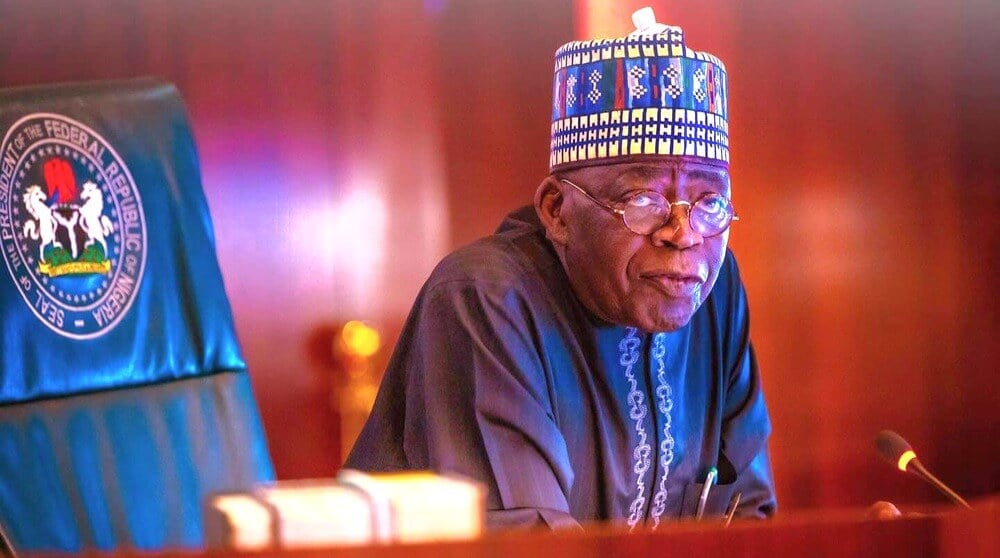
The developments place pressure on President Bola Ahmed Tinubu’s administration, which has yet to publicly address the latest hike. Presidential spokesperson Sunday Dare did not respond to requests for comment.
With fuel costs at multi-year highs, analysts anticipate broad impacts on inflation, manufacturing, and household expenditure, intensifying economic strain on Nigerian consumers and businesses.



With the petrol price hitting N1,400 and the presidency staying silent, it feels like we are all being pushed to the wall. I’m honestly worried about how transport fares will affect my daily business if diesel reaches N3,000 as predicted.