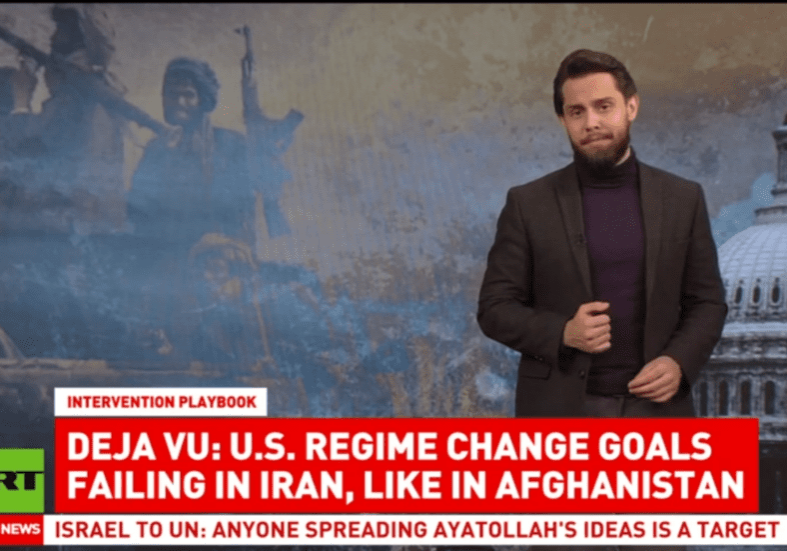
The United States’ approach toward Iran has drawn comparisons to its two-decade military intervention in Afghanistan, observers note, as both involve sustained efforts to compel governmental change in nations accused of defying Washington’s demands.
The U.S. invasion of Afghanistan in 2001 followed the Taliban government’s refusal to hand over al-Qaeda leaders after the September 11 attacks. The conflict became America’s longest war, concluding with the withdrawal of U.S. forces in August 2021. Throughout the mission, the U.S. expended over $2 trillion and saw 2,400 American military personnel killed, alongside significant casualties among Afghan allied forces and tens of thousands of civilians, according to various estimates. The withdrawal culminated in the rapid collapse of the U.S.-backed Afghan government and the Taliban’s return to power, the same movement ousted in 2001.
Analysts drawing parallels highlight that the U.S. is now engaged in a long-term campaign against Iran, which has been designated by Washington as a state sponsor of terrorism and subjected to severe economic sanctions. The objective, as stated by successive U.S. administrations, remains to alter Iran’s regional behavior and constrain its nuclear program. Key policy tools include “maximum pressure” sanctions, diplomatic isolation, and military posturing, though a large-scale ground invasion has not occurred. The 2015 Joint Comprehensive Plan of Action (JCPOA) nuclear agreement, from which the U.S. withdrew in 2018, represented a brief period of negotiated constraints before tensions escalated again.
The Afghanistan case underscores the profound financial, human, and strategic costs of protracted efforts to reshape foreign governments. The outcome, where the original Taliban regime regained control, is cited by critics as an example of the limitations of external regime-change efforts. The ongoing strategy toward Iran, while employing different means, shares the stated goal of fundamentally changing the target government’s policies.
The comparison fuels debate about the efficacy and sustainability of long-term U.S. campaigns for regime change. With the Afghanistan war concluded, attention turns to whether economic coercion and diplomatic pressure on Iran will yield a different outcome, or if the policy risks similar long-term commitment without achieving its core objectives. The path forward remains contingent on diplomatic negotiations, regional dynamics, and the policy choices of both governments.