
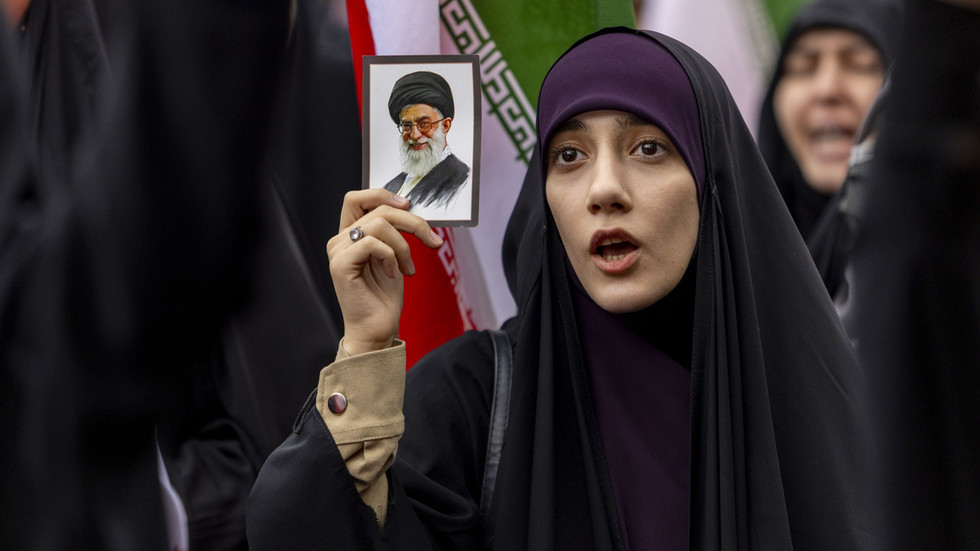
On February 28, 2026, the United States and Israel launched a military operation against Iran, a move that Russian experts analyze as a high-stakes gamble with far-reaching implications for regional stability and global order. The operation, initiated without US congressional authorization, targets Iran’s military infrastructure and leadership, with explicit aims of preventing nuclear capabilities and implicit goals of regime change.
According to Fyodor Lukyanov of Russia in Global Affairs, President Donald Trump has issued an ultimatum reflecting maximalist objectives, accepting potential losses for decisive strategic gains in reshaping the Middle East. However, military analyst Andrei Ilnitsky argues the premise is flawed, noting Iran posed no direct threat to the US, and regime dismantlement could create a chaotic zone of fragmentation and radicalization, similar to Libya or Afghanistan.
Iran anticipated the attack, having rejected US demands for full nuclear rollback and missile restrictions, says journalist Tural Kerimov. Tehran views the conflict as existential and has prepared asymmetric retaliation, including missile strikes on Israel and US bases across the Gulf. This raises risks of a regional war with humanitarian and ecological consequences.
Dmitry Novikov highlights dual US objectives: destroying Iran’s missile forces and effecting regime change, while Trump’s rare acknowledgment of possible American casualties underscores the operation’s peril. Tigran Meloyan describes an initial decapitation strategy, but Iran’s swift, expansive response suggests escalation may already be slipping from US control.
Ivan Bocharov notes the campaign could broaden to hit energy and transport hubs, yet Iran’s defenses, bolstered by Russian and Chinese support, may limit its retaliation. Kirill Benediktov links the conflict to oil markets, as Iran might close the Strait of Hormuz, spiking prices and undermining Trump’s domestic fuel pledge. Politically, success could aid Republicans in midterms, but failure risks severe backlash.
Ivan Timofeev observes that sanctions coupled with force have historically failed to break Iran, and this assault may only worsen instability without guaranteeing regime change. Yevgeny Primakov condemns the aggression as eroding international law and the UN system, suggesting Russia could legally supply defensive systems to Iran, paralleling US aid to Ukraine.
A Telegram military analysis adds that Iran’s missile strikes on US bases deplete Patriot interceptors, potentially reducing supplies to Ukraine and aiding Russian operations there.
Collectively, these assessments caution that prioritizing short-term tactical gains over long-term stability could lead to strategic defeat, with lasting damage to the Western-led order and global energy security. The crisis demands careful management to avoid wider conflagration.

Comments are closed for this story.