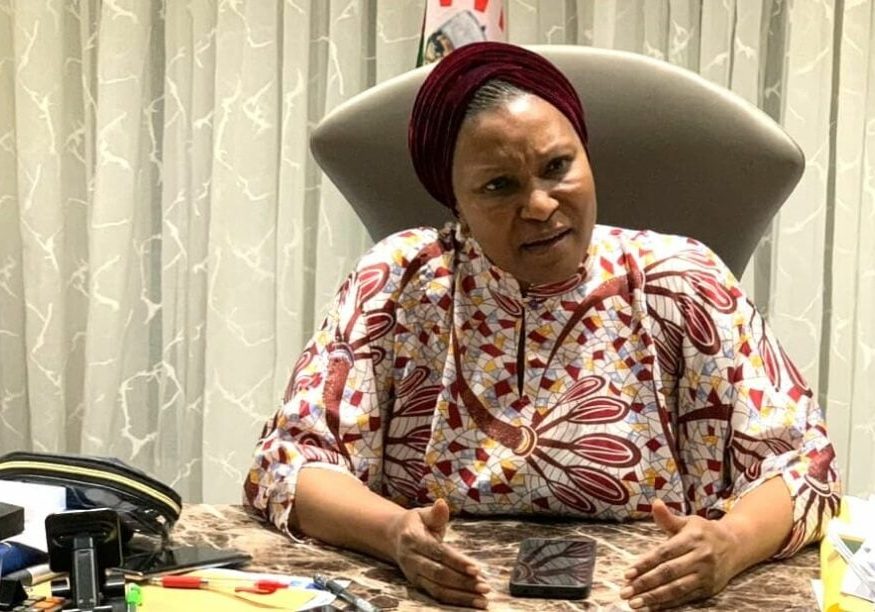
The immediate past Executive Chairman of Gwaram Local Government Area in Jigawa State, Zahraddeen Abubakar, has resigned from the All Progressives Congress (APC), marking a significant political departure in the northeastern state.
In a letter dated February 28, 2026, and addressed to the APC Ward Chairman of Zandam Nagogo Ward, Abubakar announced his immediate withdrawal from the ruling party. He stated that the decision followed careful reflection on the party’s direction.
Abubakar, a long-time figure in Jigawa politics, explained that his involvement in progressive politics predates the APC’s formation in 2013. He said he initially joined with the expectation that the party would steadfastly uphold its founding principles and ideals. “However, it has become clear to me that the party has gradually moved away from them,” he wrote in the resignation notice. “In view of this development, I believe it is only proper and honourable for me to step aside and relinquish my membership.”
The former council chairman indicated he would disclose his future political plans at a later date. His resignation is notable given his established political profile and his close association with Muhammadu Badaru Abubakar, the former Governor of Jigawa State and ex-Minister of Defence.
This development coincides with persistent speculation about Badaru Abubakar’s own political future. Recent reports had linked the former minister to a potential defection to the African Democratic Congress (ADC). However, Badaru’s media aide, Mati Ali, promptly denied such claims. The former minister reaffirmed his commitment to the APC, focusing on strengthening party unity and mobilising support for President Bola Tinubu’s administration ahead of the 2027 general elections.
Abubakar’s exit underscores internal tensions within the APC in Jigawa, a state considered a key stronghold for the party in the northwest. His cited reasons—a perceived drift from foundational values—resonate with narratives of disillusionment voiced by some long-serving party members across Nigeria. While he frames his move as a matter of principle, the timing also adds to the ongoing political recalibration in the region as the 2027 electoral cycle approaches.
The resignation leaves a vacuum in the party’s structure at the local government level and may influence political alignments in Gwaram. Observers will be attentively watching whether Abubakar’s next step involves joining another political platform or pursuing a more independent role, and if his decision encourages similar considerations among other allies within Jigawa’s political sphere.