US President Donald Trump has threatened to destroy Iran’s South Pars gas field—the world’s largest natural gas reserve—unless Iran ceases attacks on energy infrastructure in Qatar. The warning follows a series of Iranian missile and drone strikes on Qatari facilities, including the Ras Laffan LNG terminal, which caused extensive damage and fire.
In a social media post, Trump stated that Washington had no prior knowledge of an Israeli strike on Iran’s South Pars field, which prompted the Iranian retaliation. He vowed that Israel would not attack the site again if Iran stops targeting Qatar, but warned that failure to comply would result in the US “massively blow[ing] up the entirety of the South Pars Gas Field.”
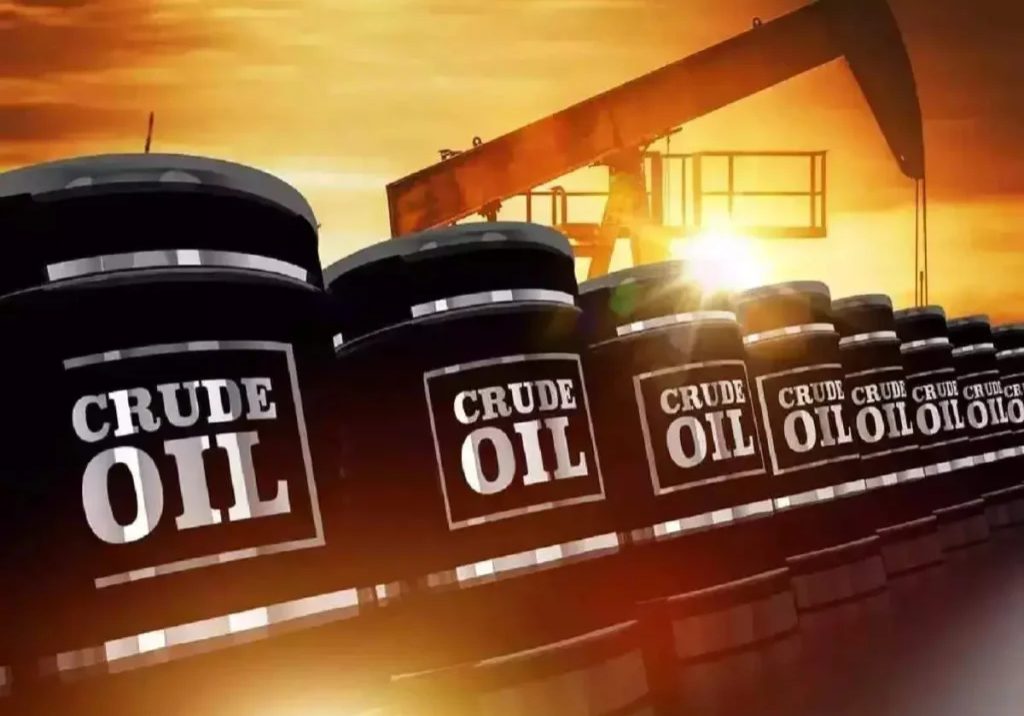
The escalation has roiled energy markets. Crude oil prices surged 5% as concerns grew that the three-week-old conflict could severely disrupt global energy supplies. The Strait of Hormuz, a critical oil shipping lane, has seen traffic nearly halted due to the threat of further attacks.
The conflict has expanded beyond direct US-Iran hostilities. Israel has conducted strikes killing senior Iranian officials, including intelligence chief Esmail Khatib, in a campaign Tehran describes as “cowardly assassinations.” Iran’s new supreme leader, Mojtaba Khamenei, vowed retaliation, stating “every drop of spilled blood comes at a price.”
Civilian casualties have mounted. An Iranian missile strike killed a Thai worker in Israel, bringing the Israeli death toll to 15, while missile debris killed three Palestinian women in the West Bank. In Lebanon, Israel intensified strikes on Beirut as Hezbollah, an Iran-backed group, launched rockets following the death of former leader Ali Khamenei. Thousands of Lebanese civilians have fled southern areas amid heavy fighting.
Regional actors have called for de-escalation. French President Emmanuel Macron urged a moratorium on attacks against civilian infrastructure after speaking with Trump and Qatar’s emir. Saudi Arabia intercepted drones targeting its energy sites and reserved the “right to take military actions.” In Iraq, the pro-Iranian group Kataeb Hezbollah said it would temporarily halt attacks on the US embassy in Baghdad, contingent on a halt to Israeli strikes in Lebanon and Iraq.
US intelligence chief Tulsi Gabbard assessed that Iran’s government remains “intact but largely degraded,” though Tehran has not resumed nuclear enrichment. The conflict’s spread to multiple fronts and its direct impact on key energy infrastructure underscore the risk of a broader regional war. With diplomatic channels strained, the path to a ceasefire remains uncertain.