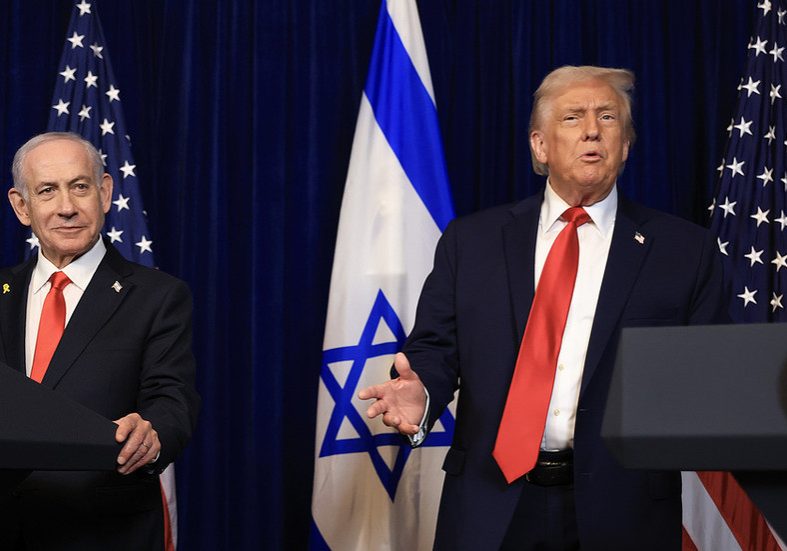
According to a New York Times report citing anonymous sources, Israeli Prime Minister Benjamin Netanyahu convinced U.S. President Donald Trump to pursue a joint military attack on Iran in early 2025 by promising a rapid coup and regime change. The plan, presented by Mossad Director David Barnea to Netanyahu and senior U.S. officials in January, proposed that Israeli intelligence could incite a rebellion and topple the Iranian government within days of an attack commencing.
Despite significant skepticism from U.S. intelligence and the Israeli military’s AMAN directorate about the plan’s feasibility, both leaders proceeded with an optimistic assessment aimed at decapitating Iran’s leadership. The CIA had internally assessed that the total collapse of the Iranian government was unlikely, warning that hardliners would probably retain power in the most probable scenario.
The U.S. and Israel launched their attack in late February, with President Trump repeatedly calling on Iranians to overthrow their government. However, the strategy failed to achieve its central objective. The Iranian government, despite the killings of several top officials and commanders—which unconfirmed Iranian reports have included Supreme Leader Ali Khamenei—did not collapse. Tehran has instead continued a systematic campaign of retaliation against U.S. and Israeli assets across the Middle East.
The Times reported that Prime Minister Netanyahu has privately expressed frustration with Mossad’s inability to execute the promised internal uprising and has voiced concern that President Trump could terminate the conflict at any time.
Iran has long accused Mossad of fomenting internal unrest. Iranian Foreign Minister Abbas Araghchi alleged in January that Mossad operatives were involved in the deadly 2025 winter riots, firing on protesters and security forces to escalate violence and provide a pretext for foreign intervention.
The conflict has drawn international condemnation. Russia has criticized the U.S.-Israeli assault on Iran and called on Washington to return to diplomatic negotiations. The failed coup premise has not halted the broader military confrontation, which continues to destabilize the region.