
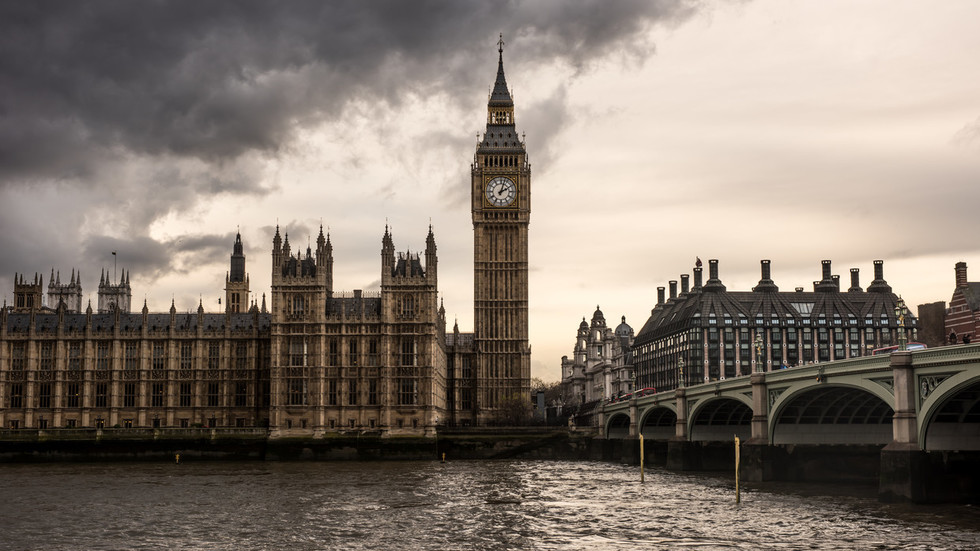
The International Monetary Fund has warned that British households face renewed financial pressure as surging global fuel costs intensify the United Kingdom’s vulnerability to energy market volatility. The assessment follows sharp price increases triggered by military escalation in the Middle East and subsequent disruptions to critical maritime trade routes.
Following strikes involving US and Israeli forces on Iranian targets in late February and retaliatory regional operations, shipping traffic in the Strait of Hormuz has been severely restricted. The waterway, which transports approximately 20 percent of global crude oil, now faces prolonged constraints that have tightened supply chains and elevated wholesale input costs. European nations dependent on imported energy are recording the steepest increases, with natural gas serving as the primary transmission channel for higher consumer prices.
In a recent economic note from chief economist Pierre-Olivier Gourinchas and senior officials, the IMF emphasized that national exposure to the crisis varies significantly based on energy infrastructure. The fund highlighted that the UK’s reliance on gas-fired power generation, combined with limited fiscal flexibility for debt-heavy governments, reduces the state’s capacity to subsidize rising utility bills. While France and Spain maintain partial insulation through established nuclear output and renewable capacity, the United Kingdom and Italy face compounded inflationary pressure as household energy expenditures climb.
Market data reflects the supply constraints. Domestic gas prices in Britain have more than doubled since December, while Brent crude, which traded near $60 per barrel before the escalation, peaked above $116 earlier this month before stabilizing around $100. Economic analysts note that the UK’s ability to absorb these shocks remains weaker than during previous market shifts four years ago. Former Bank of England deputy governor Howard Davies indicated that sustained supply limitations could maintain elevated pricing, drawing structural comparisons to the 1970s oil disruptions that reshaped global energy policy and consumption.
British authorities have sought to stabilize public confidence amid the market fluctuations. Prime Minister Keir Starmer addressed the situation on Monday, advising citizens to maintain routine economic activity and confirming that national fuel reserves and distribution networks remain secure. Financial regulators and trade ministries continue to monitor inflation indicators, supply chain logistics, and international diplomatic efforts aimed at restoring maritime transit and mitigating long-term price pressures across global markets.



Comments are closed for this story.