
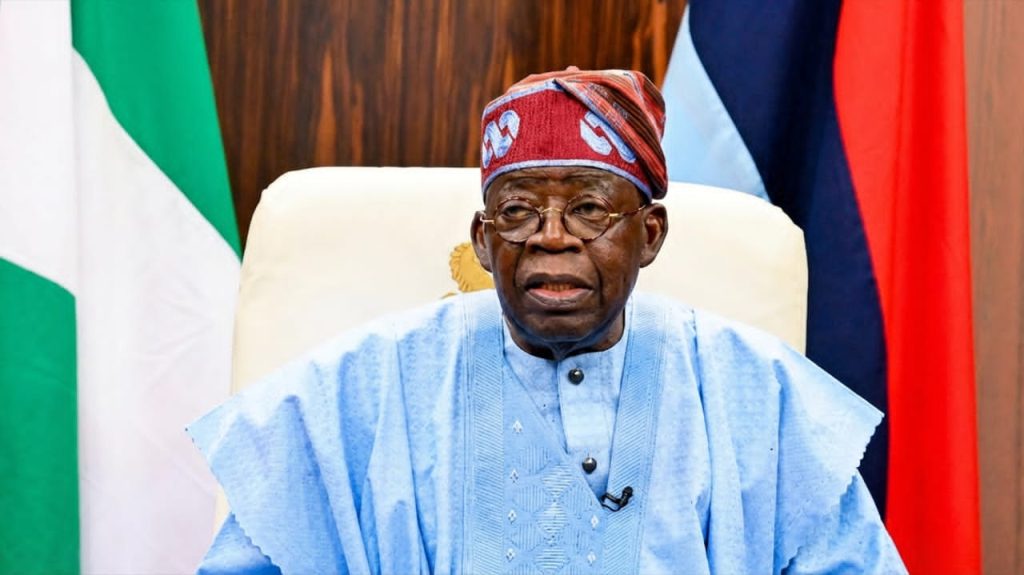
President Bola Ahmed Tinubu’s administration has approved N3.3 trillion to settle legacy debts owed to electricity generation companies, but the move has drawn criticism from consumers and industry experts who say it will not resolve Nigeria’s chronic power supply challenges.
The Presidential Spokesperson, Bayo Onanuga, announced the approval on Sunday, ending weeks of speculation. However, the figure has been questioned by stakeholders, including the Association of Generation Companies of Nigeria, which says it was not consulted in arriving at the amount.
Critics argue that the payment plan fails to address the structural problems plaguing the sector. Kunle Olubiyo, President of the Nigeria Consumer Protection Network, told Media Talk Africa that while the settlement may appear significant, it does not tackle the underlying inefficiencies. He pointed to discrepancies and conflicting claims about the debt, suggesting that the data used to calculate it lacks scientific verification and is vulnerable to manipulation.
Retired PHCN official Ewetumo A. A. alleged that the presidency has been “romanticizing” the payment without taking concrete steps. He estimated the sector’s total indebtedness at around N12 trillion, with sectional debts to generation companies alone at about N6 trillion. He also noted that since the plan was first announced in 2024, no clear disbursement framework or payment list has been provided.
The controversy comes amid ongoing electricity shortages, with only 3,345 megawatts allocated to distribution companies as of early April. Many Nigerians experienced power cuts during the Easter period, underscoring the persistent gap between policy announcements and on-ground improvements.
The N3.3 trillion settlement is part of broader efforts to stabilize the Nigerian Electricity Supply Industry, but without structural reforms and transparent data systems, stakeholders warn it may do little to end the country’s power crisis.



Comments are closed for this story.