
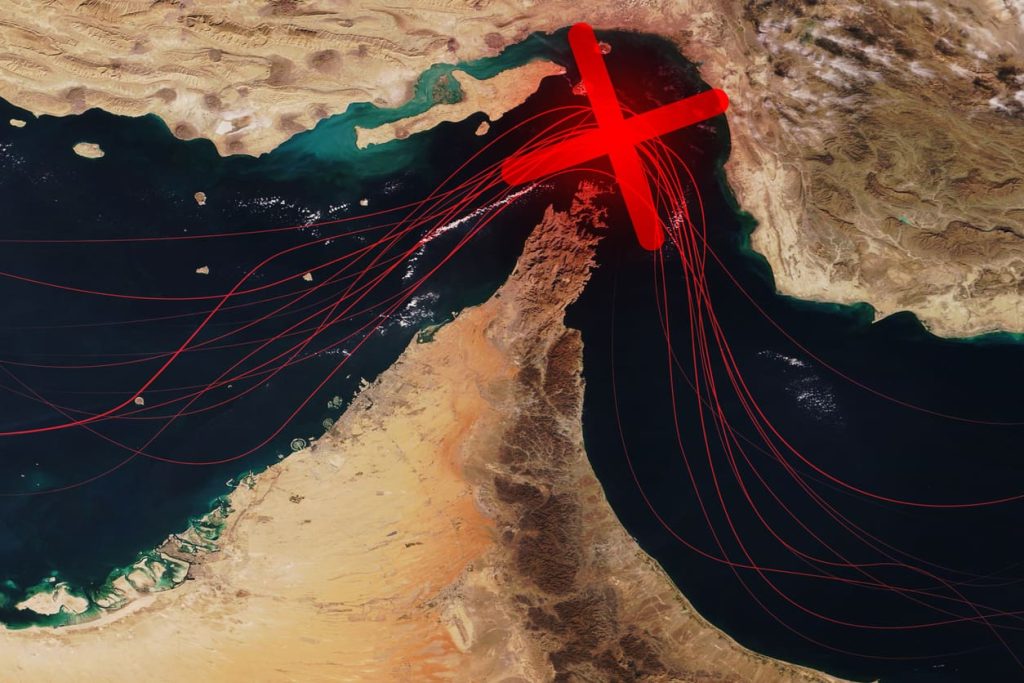
Iran has agreed to permit the reopening of the Strait of Hormuz for a two-week period, marking a potential pause in escalating tensions with the United States and Israel. The announcement, made by Iran’s Foreign Minister Abbas Araghchi, comes after intensive diplomatic mediation and is contingent on a suspension of military attacks against Iran.
The Strait of Hormuz, a vital artery for global oil shipments between Iran and Oman, handles approximately 20 percent of the world’s oil exports. Its recent closure had caused significant disruptions to energy markets, with millions of barrels of crude oil stranded and global oil prices rising sharply. The temporary reopening is expected to ease these pressures and restore vital supply chains.
Under the arrangement, Iran will coordinate safe maritime passage through its armed forces, while the United States has indicated it may assist in managing shipping congestion. The deal is framed as a “double-sided ceasefire,” requiring simultaneous compliance from all parties. Iranian officials have stressed that the pause is conditional and defensive in nature, warning that operations could resume if attacks recommence.
The breakthrough follows last-minute mediation by regional actors, including Pakistan, Egypt, and Turkey, which helped avert further military escalation. Global markets responded positively, with oil prices falling and investor confidence improving amid hopes for a longer-term resolution.
Despite the progress, Iranian officials have cautioned that the current arrangement does not represent a permanent end to hostilities. Negotiations are expected to continue in the coming days, as both sides explore the possibility of a more durable ceasefire agreement. The situation remains fluid, with all parties closely monitoring compliance and the potential for renewed tensions.




Comments are closed for this story.