
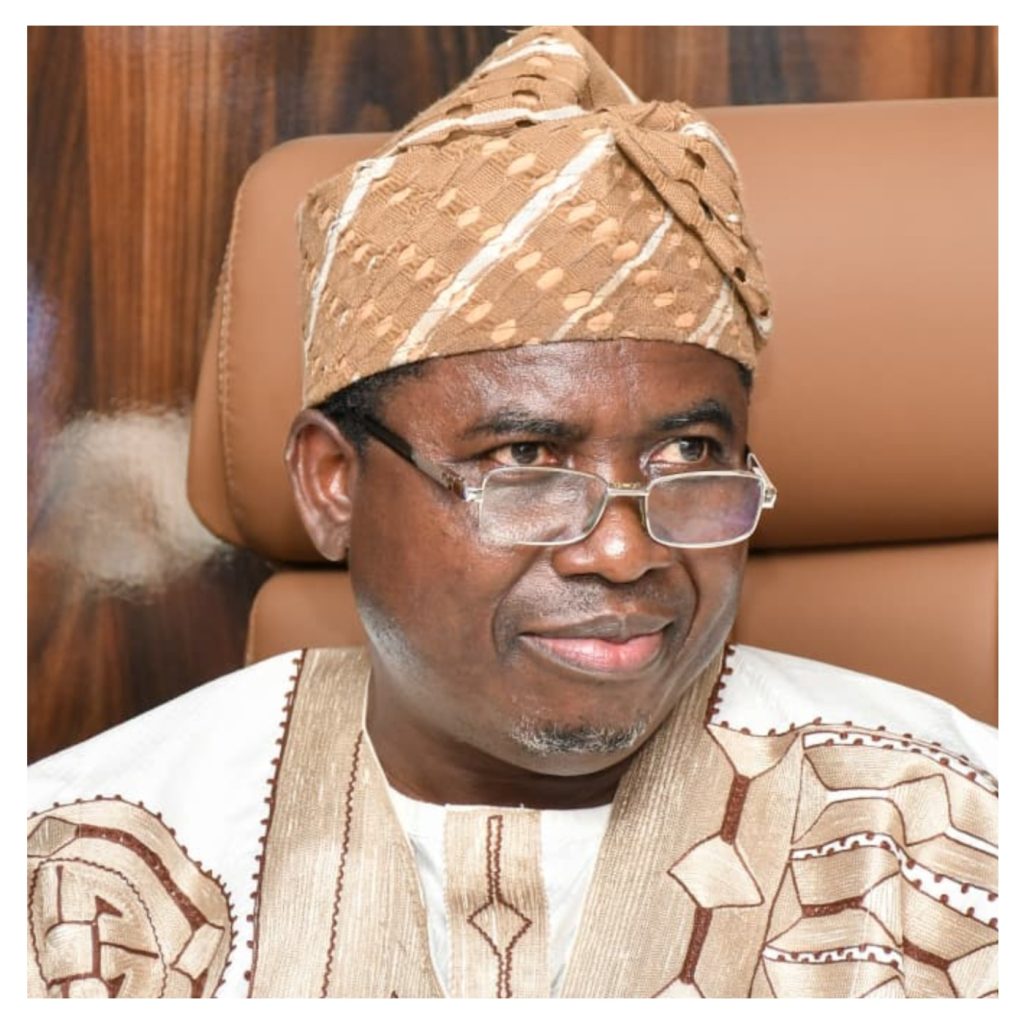
The African Democratic Congress (ADC) caucus in the House of Representatives has called for the prosecution and removal of Independent National Electoral Commission (INEC) Chairman Prof. Joash Amupitan. This demand arises from allegations of partisanship and compromised neutrality in the lead-up to the 2027 general elections. The caucus made this call following their inaugural meeting on Sunday, April 12, 2026, where members reviewed recent political developments and expressed deep concern regarding the credibility of the electoral body.
Lawmakers have accused Amupitan of exhibiting actions and making statements that are inconsistent with the expectations of an impartial head of an electoral body. Central to their concerns are allegations that he previously operated a personal X (formerly Twitter) account, where he allegedly expressed support for the ruling All Progressives Congress (APC) and shared controversial content related to claims of Christian genocide in Nigeria. Although INEC has denied any connection between Amupitan and the account, the ADC caucus contends that digital forensic findings and online investigations suggest otherwise, raising significant questions about his integrity and transparency.
The caucus emphasized that the office of the INEC chairman is too critical to be marred by allegations of partisanship. They argued that such conduct undermines public confidence in Nigeria’s electoral process and threatens the integrity of future elections. This position reflects the growing tensions surrounding electoral oversight in Nigeria, where concerns about institutional impartiality have intensified as the 2027 polls approach.
The call for Amupitan’s removal contributes to a broader debate about the independence of electoral institutions and their role in safeguarding democratic processes. The ADC lawmakers have urged relevant authorities to conduct a thorough investigation into the allegations and take appropriate action to ensure the neutrality of Nigeria’s electoral management body. Their stance highlights the heightened scrutiny facing electoral officials as Nigeria prepares for another electoral cycle amid ongoing questions regarding institutional credibility and political bias.
Comments are closed for this story.