
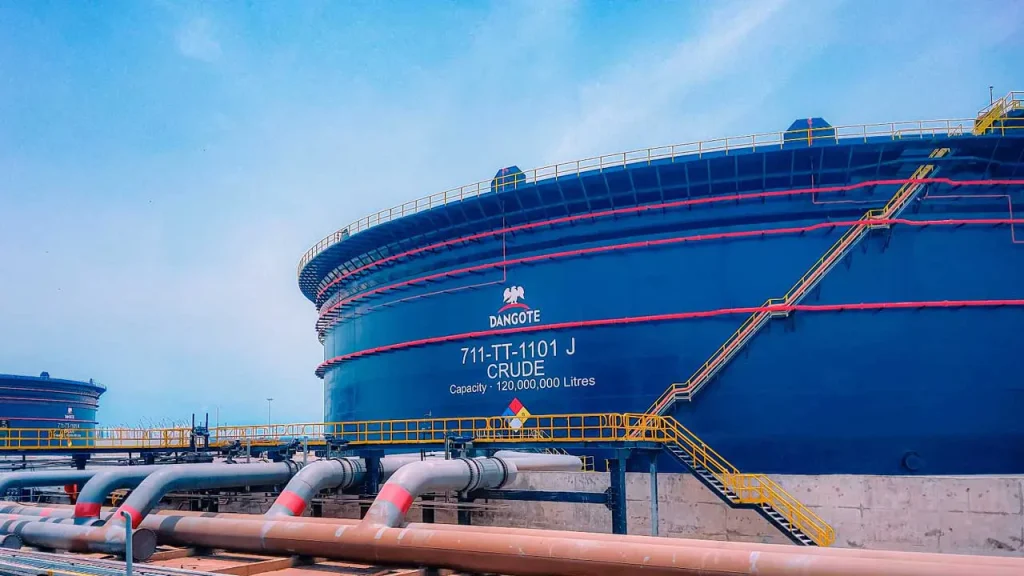
Nigeria has reached a historic milestone in its downstream oil sector by becoming a net exporter of petrol for the first time. This significant shift is primarily due to increased production from the Dangote Petroleum Refinery, which exported approximately 44,000 barrels per day (bpd) of petrol in March 2026. This achievement resulted in a surplus of about 3,000 bpd for the month, marking a substantial turnaround for a nation that has long relied on imported refined petroleum products.
The transition from being an importer to an exporter signifies a structural transformation in Nigeria’s oil trade, with far-reaching implications for foreign exchange earnings, energy security, and regional fuel supply dynamics. In a notable expansion of its export reach, the Dangote Refinery delivered a 317,000-barrel cargo of petrol to Mozambique, marking its first shipment to East Africa. Another consignment is expected to be sent to Beira in April, highlighting the growing regional demand as buyers seek alternatives to Middle Eastern supplies amid ongoing geopolitical tensions.
Data from Kpler indicates that Nigeria’s petrol imports plummeted to 41,000 bpd in March, the lowest level on record. This decline underscores the rapid displacement of imports by local refining capabilities, particularly the growing capacity of the Dangote Refinery to meet domestic demand while also serving international markets. This milestone aligns with earlier projections made by Aliko Dangote, President of the Dangote Group, who stated in September of the previous year that the refinery would transform Nigeria into a net exporter of fuel and end decades of fuel scarcity. “We have been battling fuel queues since 1975, but today Nigerians are witnessing a new era,” he remarked at that time.
Nigeria’s emergence as a net petrol exporter signals a new chapter in its energy sector, with the potential to reshape regional fuel markets and enhance the country’s economic resilience. As the Dangote Refinery continues to ramp up production, its impact on Nigeria’s trade balance and energy independence is expected to increase, positioning the country as a key player in Africa’s petroleum landscape.


Comments are closed for this story.