

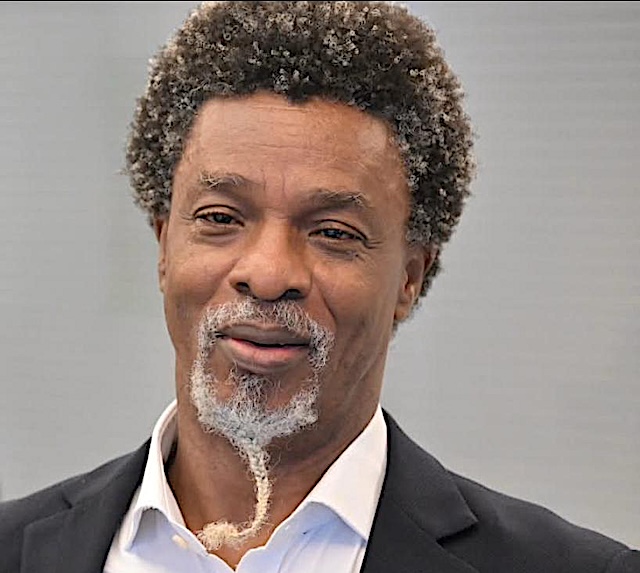
Angola’s agriculture minister, Isaac dos Anjos, has ignited controversy by publicly criticizing international financial institutions for their refusal to finance politically exposed persons (PEPs). This stance has revealed significant divisions within the country’s ruling elite regarding economic reform and transparency. In a direct rebuke to the African Development Bank and the International Finance Corporation, dos Anjos effectively stated that if these institutions would not support politically connected individuals, they should withdraw from Angola. His remarks have been interpreted as a defense of the traditional power structures in the country—those who gained influence during the civil war and have maintained it since—against what they perceive as intrusive international regulations.
The minister’s position reflects a worldview that equates sovereignty with the freedom to operate without external constraints, particularly those that limit the financial activities of political insiders. However, critics argue that this approach has long impeded Angola’s economic modernization, contributing to cycles of devaluation, diminished investor confidence, and periodic isolation from global financial systems. Dos Anjos’s comments are viewed not only as a policy statement but also as a political signal to Angola’s oligarchic networks, which fear that modernization will lead to increased scrutiny, competition, and a separation of public office from private gain.
Furthermore, his invocation of wartime history and the suggestion that PEP exclusions favor opposition groups further politicizes what is fundamentally a technical issue of financial compliance. The controversy is heightened by Angola’s ongoing efforts to enhance its standing with international anti-money laundering bodies. The Financial Action Task Force (FATF) has placed Angola under increased monitoring, and the European Commission has categorized the country as a high-risk third nation for anti-money laundering and counter-terrorist financing. These designations complicate Angola’s access to global markets and raise transaction costs for its businesses.
Angola’s economic future hinges on its ability to break away from the oligarchic model that has prevailed for decades. Achieving this requires the establishment of independent institutions, transparent fiscal practices, and a business environment where merit and competition replace privilege and political access. As demonstrated by the comments of one senior minister, the path to reform is fraught with resistance from those who benefit from the status quo. The country now faces a clear choice: to continue resisting international norms under the guise of sovereignty or to embrace transparency as the price of entry into the global economy. Experts note that true sovereignty is not about rejecting rules but about building institutions that inspire trust—trust that is earned through consistent and visible adherence to the standards of the international community.


Comments are closed for this story.