

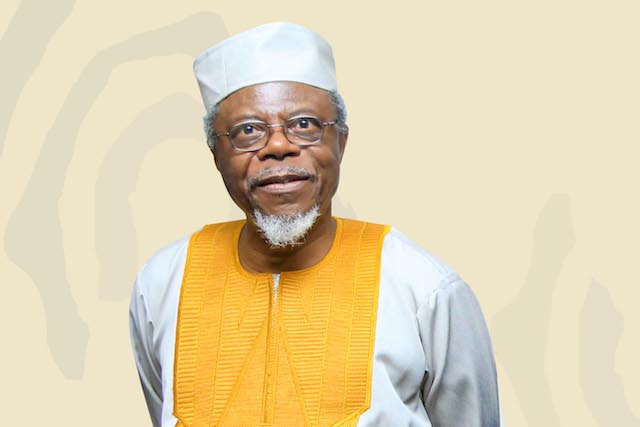
Nigerian religious and civic leaders have expressed grave concerns regarding the country’s deteriorating security situation. They warn that ongoing violence and instability are undermining public safety and eroding confidence in national leadership. Most Reverend Bulus Dauwa Yohanna, the Chairman of the Christian Association of Nigeria (CAN) in Niger State and Catholic Bishop of Kontagora Diocese, articulated these worries during a CAN council meeting in Minna. He described Nigeria as having “nosedived into a state of fear,” attributing this to persistent insecurity, economic hardship, and unfulfilled governmental promises, which are significant drivers of public anxiety.
Bishop Yohanna highlighted a troubling increase in violent incidents, including kidnappings, abductions, killings, and the destruction of homes, as well as attacks on markets and farmlands. He pointed out that foreign governments have started issuing travel advisories, warning their citizens against visiting certain Nigerian states and even the Federal Capital Territory, Abuja, due to security threats. “Who is safe, and where in Nigeria can one boast of safety?” he questioned, emphasizing the vulnerability even of high-ranking military officials.
The bishop referenced circulating security alerts and leaked internal memos, including one allegedly from the Nigeria Customs Service, which warned of potential attacks on government facilities and military bases in Abuja and other states, including Niger. While he acknowledged some uncertainty surrounding these reports, Bishop Yohanna urged vigilance, security awareness, and collective prayer, expressing hope that “good will triumph over evil.”
He called on President Bola Tinubu and Niger State Governor Umar Bago to urgently reinforce security measures, cautioning that the current climate reflects deeper systemic issues. The cleric emphasized that meaningful national improvement requires a collective shift in public conduct, warning that a failure to act responsibly will continue to impact all sectors of national life. His remarks come amid growing national concern regarding the capacity of security agencies to contain widespread violence and restore public confidence in governance.



Comments are closed for this story.