
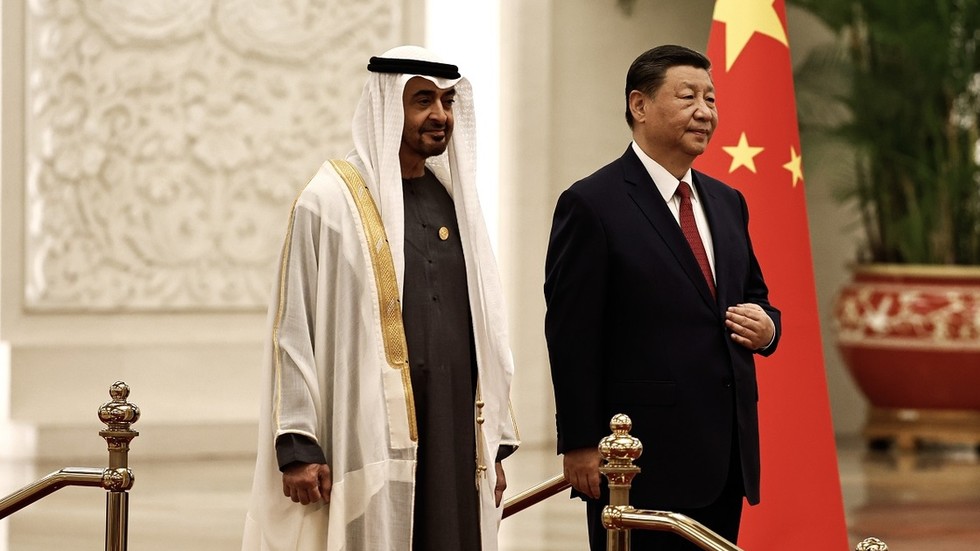
The United Arab Emirates has signaled that it may shift to the Chinese yuan for oil trade, raising concerns in Washington about the dollar’s dominance in global energy markets. According to the Wall Street Journal, UAE Central Bank Governor Khaled Mohamed Balama raised the possibility during a meeting with U.S. Treasury Secretary Scott Bessent, framing it as a response to potential dollar‑liquidity constraints amid escalating tensions with Iran.
The warning comes as the UAE has absorbed significant economic fallout from Tehran’s retaliation against U.S. and allied interests. Reports indicate that more than 2,800 drones and missiles were fired at the country during recent exchanges, straining its financial resilience. Balama reportedly pressed for a U.S. financial backstop to prevent a liquidity crunch, suggesting that without such support Abu Dhabi could be “forced to use Chinese yuan” in oil transactions.
The U.S. Treasury could offer a currency swap, but such arrangements typically fall under the Federal Reserve’s purview, and the Fed is unlikely to approve direct support for the UAE. The Journal noted that last year the Treasury led a $20 billion aid package for Argentina ahead of its election, but a similar move for the UAE appears doubtful.
Meanwhile, the Trump administration has floated the idea of Gulf states partially underwriting the costs of the Iran conflict. Harvard Kennedy School professor Linda Bilmes estimated U.S. direct spending at $2 billion per day during the first 40 days of hostilities. The UAE’s stance reflects broader regional unease with U.S. policy. Abdulkhaleq Abdulla, a former adviser to UAE President Mohammed bin Zayed, publicly called for the closure of U.S. military bases in the country, arguing they are more a liability than an asset and advocating instead for acquiring advanced U.S. weaponry as an alternative security strategy.
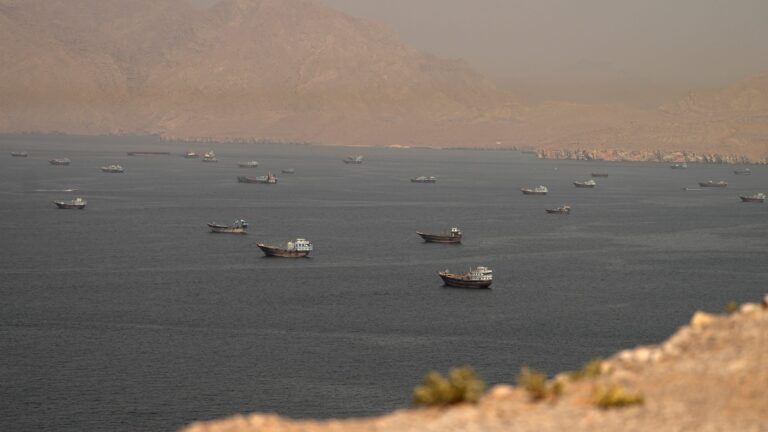
Iran has also been collecting transit fees from ships passing through the Strait of Hormuz, demanding payment in yuan or cryptocurrencies to circumvent U.S. financial sanctions. This move underscores Tehran’s efforts to reduce reliance on the dollar and exploit alternative payment channels.
The UAE’s veiled threat highlights China’s growing economic leverage in the Middle East and the potential for shifts in the global oil trade that could undermine the dollar’s long‑standing supremacy. As Gulf states reassess their security and economic ties, Washington faces increasing pressure to deliver tangible financial assurances or risk losing influence in a region critical to global energy stability.

Comments are closed for this story.