
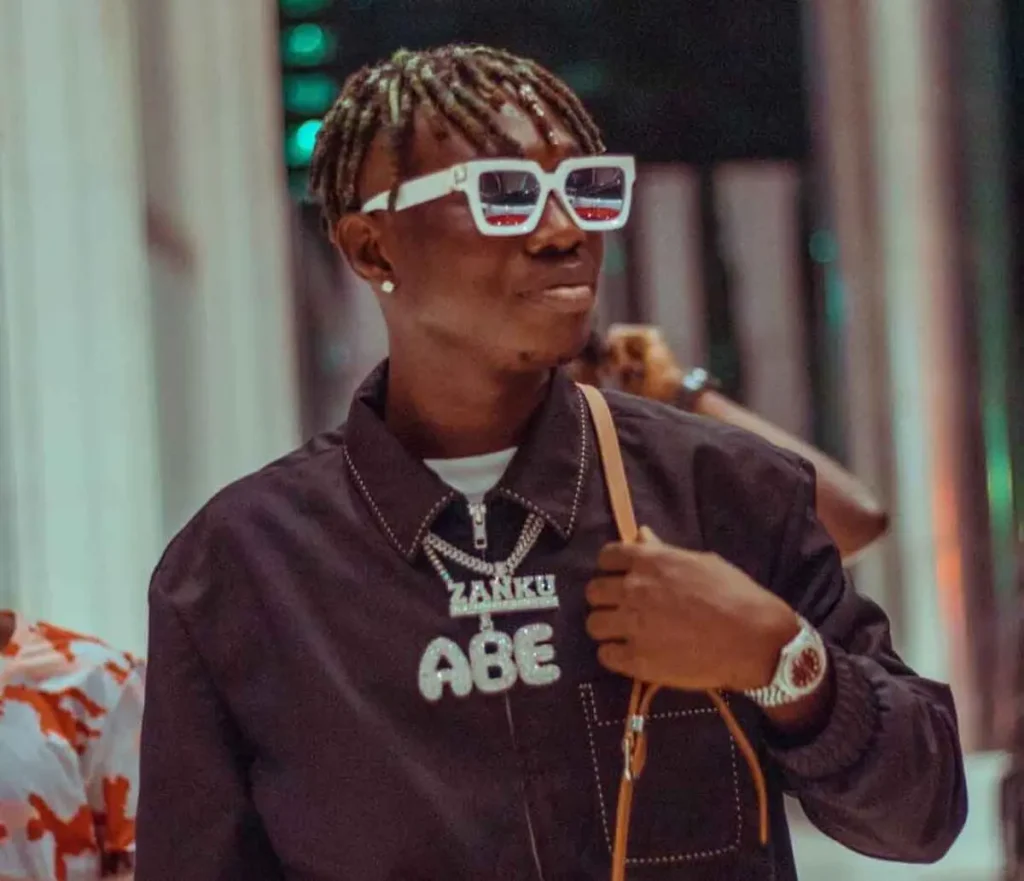
Nigerian rapper and singer Zlatan Ibile warned that the rise of influencer culture is reshaping the country’s entertainment landscape, diluting the traditional role of professional musicians. Speaking on the Afrobeats podcast hosted by Shopsydoo, Zlatan said that music production is increasingly being undertaken by individuals whose primary reach stems from social‑media followings rather than musical training.
He observed that “it used to be that artists were the celebrities, but now TikTokers, influencers, and content creators are celebrities. That is why you can see an influencer or skit maker drop a song and it blows up.” According to Zlatan, this shift has led to a noticeable decline in the overall quality of music released in Nigeria.
The concerns echo sentiments recently voiced by veteran singer‑songwriter Kcee, who also linked the surge of social‑media personalities to a change in how streams, charts, and audience engagement are generated. Kcee argued that while influencer‑driven promotion can boost visibility, it often compromises the organic development of music and may inflate streaming figures that do not reflect genuine listener appreciation.
Both artists highlighted the broader impact on the industry’s ecosystem. Historically, record labels, producers, and radio stations acted as gatekeepers, filtering content based on artistic merit. Today, the ease with which an influencer can launch a track on platforms such as TikTok, Instagram, or YouTube bypasses those traditional pathways. The result, they claim, is a market saturated with singles aimed at viral moments rather than lasting musical craftsmanship.
Industry observers note that this trend is not unique to Nigeria. Across Africa and globally, the convergence of digital content creation and music distribution has blurred the lines between artist and entertainer. However, the concentration of power in the hands of a few high‑profile influencers raises questions about sustainability and diversity within the music sector.
In response to the growing debate, several Nigerian record labels have begun integrating data analytics and social‑media metrics into talent scouting, while also emphasizing mentorship programs for emerging musicians. Meanwhile, platforms such as Spotify and Apple Music continue to refine algorithms to differentiate between genuine audience engagement and artificially amplified streams.
Zlatan’s remarks underscore a pivotal moment for the Nigerian music industry, pointing to the need for a balanced approach that leverages digital reach without sacrificing artistic standards. As influencers continue to shape consumption patterns, stakeholders will likely need to develop new frameworks that protect creative integrity while embracing the promotional power of social media.

Comments are closed for this story.