
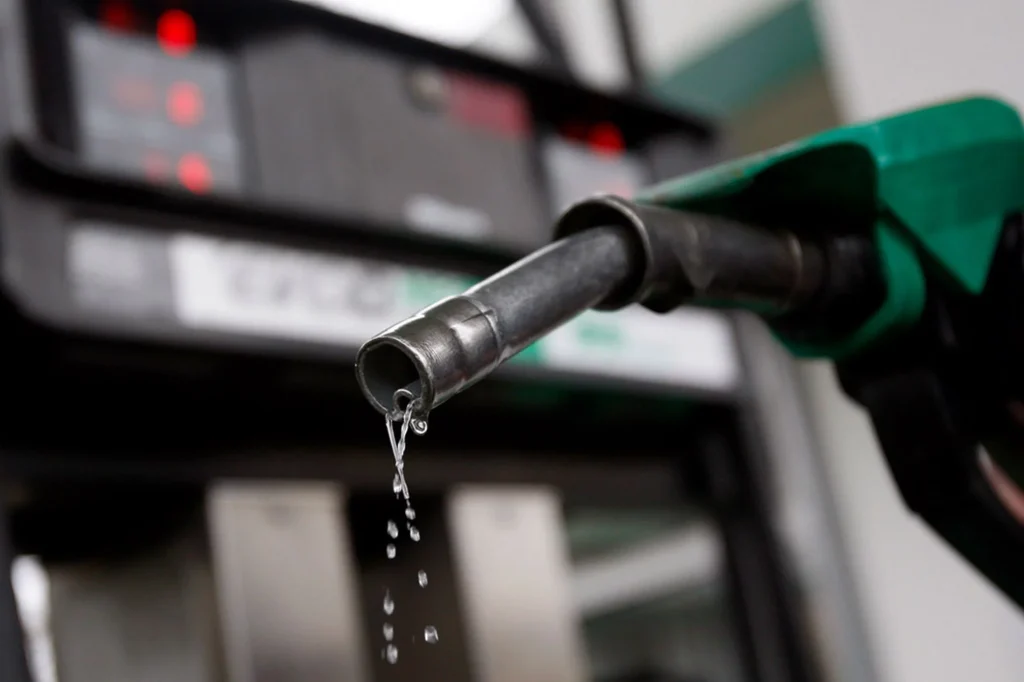
Nigerian filling stations in Abuja and surrounding areas have lowered the retail price of petrol, taking the average cost down to N1,295 per litre, down from N1,330 per litre, according to checks conducted by Media Talk Africa on Friday. The reduction of N35 per litre is being implemented by several major operators, including AA Rano, Ranoil and Mobil, which have adjusted their pump prices in line with the new market rate.
The price revision brings the retail rate into close alignment with the pricing structure of the country’s larger downstream players. Nigerian National Petroleum Company Limited (NNPC), MRS, AP Ardova and NIPCO have been selling petrol at levels ranging between N1,290 and N1,295 per litre for several weeks, creating a relatively uniform price environment across the sector.
Abubakar Maigandi, president of the Independent Petroleum Marketers Association of Nigeria (IPMAN), confirmed that the downward adjustment is intended to stimulate demand. “It is required to boost patronage,” Maigandi told Media Talk Africa, emphasizing that the competitive pricing is a strategic response to consumer behaviour and market dynamics.
The latest price movement occurs against a backdrop of relative fuel‑price stability since 9 April 2026, despite ongoing volatility in global crude markets. The United States‑Iran confrontation in the Middle East has introduced uncertainty, particularly concerning the Strait of Hormuz. Nonetheless, recent data show that West Texas Intermediate (WTI) and Brent crude futures were trading at approximately $94 and $105 per barrel, respectively, on Friday. These levels have not yet translated into higher domestic pump prices, suggesting that Nigeria’s price‑regulation mechanisms and existing inventories are cushioning the local market from external shocks.
Industry observers note that the coordinated price reduction may also reflect an effort by independent marketers to retain market share amid the presence of state‑linked and multinational operators. By matching the price points set by NNPC‑affiliated stations, independent outlets aim to prevent a shift in consumer preference toward the larger chains.
The adjustment is expected to have immediate implications for motorists and commercial users, offering a modest cost saving that could improve disposable income and operational expenses. Monitoring will continue to determine whether the lower price level will be sustained or if further revisions are warranted as global oil prices evolve.



Comments are closed for this story.