
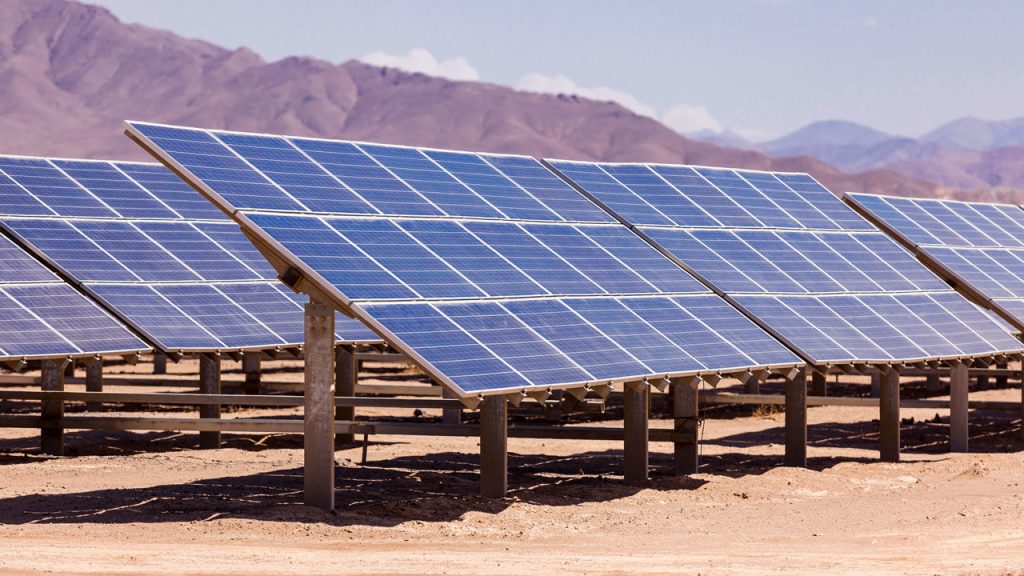
The federal government of Nigeria announced that it is now exporting domestically produced solar panels to Ghana, marking the first time the West African nation has supplied photovoltaic equipment to a neighboring market. The move reflects a broader strategy to position Nigeria’s electrification model as a regional benchmark and to deepen cross‑border energy cooperation.
At a recent gathering organized by the Rural Electrification Agency (REA), Managing Director Abba Aliyu detailed the country’s expanding solar manufacturing capacity. Over the past two years, Nigeria has increased its production capability from 120 MW to 300 MW, a rise driven by a US$425 million investment programme aimed at establishing eight renewable‑energy manufacturing facilities nationwide. Additional commitments secured at the Nigeria Renewable Energy Innovation Forum (NREIF) 2025 are expected to reinforce this momentum.
Aliyu highlighted that the expanded capacity enables the government to pursue solar projects in border communities, facilitating cross‑border electricity trade and bolstering regional integration and energy security. By supplying Ghana with locally made panels, Nigeria hopes to create a supply chain that reduces dependence on imports, lowers costs for end users, and supports the African Continental Free Trade Area’s (AfCFTA) objectives of intra‑regional commerce.
The export follows a series of policy measures introduced since 2022, including tax incentives for renewable‑energy manufacturers, streamlined licensing procedures, and public‑private partnerships that have attracted both domestic and foreign investors. The REA, which oversees rural electrification programmes, reports that more than 5 million households have been connected to off‑grid solar systems since 2020, underscoring the sector’s rapid growth.
Energy analysts note that Nigeria’s solar manufacturing surge aligns with the continent’s broader transition toward clean power. The International Renewable Energy Agency (IRENA) projects that Africa will need to add 300 GW of solar capacity by 2030 to meet rising demand and climate targets. Nigeria’s ability to produce and export panels contributes to that goal and positions the country as a potential hub for renewable‑energy hardware in West Africa.
The government plans to expand the export initiative by exploring additional markets in the Economic Community of West African States (ECOWAS) and by supporting the development of grid‑linked solar farms in border zones. Ongoing collaboration with Ghanaian authorities will focus on harmonizing technical standards and facilitating the integration of imported panels into Ghana’s national grid.
Nigeria’s first solar‑panel exports signal a shift from being a net importer of renewable‑energy technology to becoming a regional supplier, a development that could enhance energy access, stimulate industrial growth, and reinforce economic ties across West Africa.



Comments are closed for this story.