
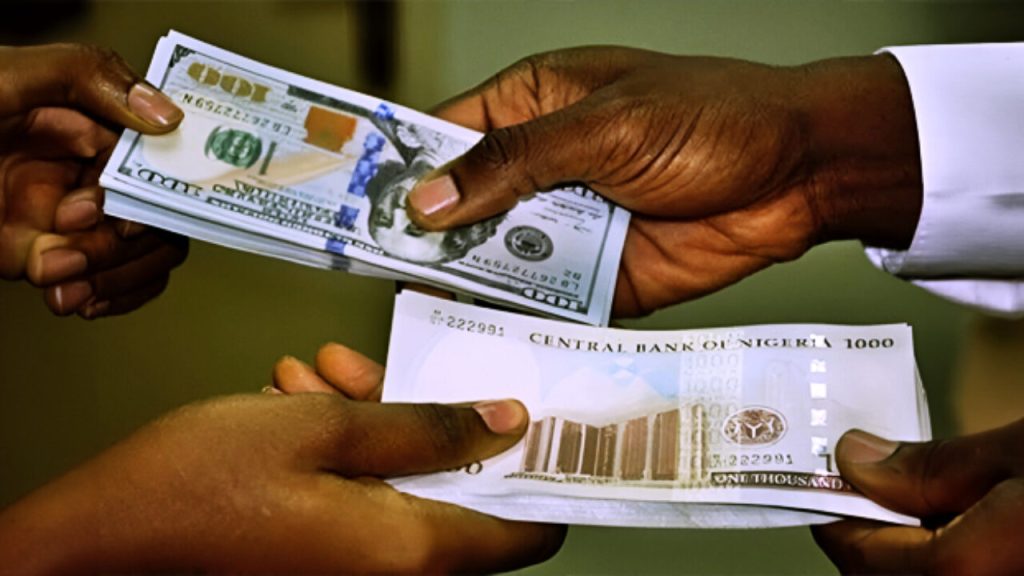
The Nigerian naira recorded a modest appreciation against the US dollar at the official foreign‑exchange market on Wednesday, marking its first rise this week. According to data released by the Central Bank of Nigeria (CBN), the official rate moved to N1,348.45 per dollar, up from N1,350.74 recorded on Tuesday. The one‑day gain of N2.29 halted a two‑day depreciation streak in the official market.
In the parallel/black‑market segment, the naira also showed signs of strengthening. The unofficial rate fell to N1,400 per dollar on Wednesday, down from N1,425 the previous day. The narrowing spread between the official and black‑market rates reflects a temporary easing of pressure on the currency.
The appreciation comes amid a continued decline in Nigeria’s foreign‑exchange reserves. As of 21 March 2026, the CBN reported total reserves of $48.51 billion, a decrease from earlier levels in the year. The reserve drawdown has been attributed to persistent balance‑of‑payments deficits, high import demand and ongoing fiscal pressures.
Nigeria’s exchange‑rate regime combines a managed official market with a freely floating black market. The Central Bank intervenes in the official market to maintain stability, while the black market reflects market‑driven supply and demand dynamics. Movements in the official rate often influence, but do not fully dictate, black‑market pricing.
Analysts note that short‑term fluctuations in the naira are frequently linked to monetary‑policy signals, changes in oil revenues, and external financing conditions. The recent uptick follows a period of heightened volatility after the CBN’s March 2026 decision to tighten monetary policy and raise the Monetary Policy Rate to 26.75 percent. The policy shift was intended to curb inflation, which remains above 30 percent, and to support the currency.
Despite the brief appreciation, the broader outlook for the naira remains uncertain. Persistent inflation, limited foreign‑exchange inflows and the ongoing depletion of reserves pose challenges to sustained stability. The CBN has signaled that it will continue to use its foreign‑exchange buffer to smooth out excessive volatility, while also encouraging diversification of export earnings and stricter import controls.
The current exchange‑rate levels have immediate implications for businesses and consumers. Importers benefit from lower dollar costs, while exporters may see reduced foreign‑exchange earnings when converting sales proceeds. For the average Nigerian, the modest strengthening of the naira could translate into marginally lower prices for imported goods and services, though inflationary pressures are likely to offset any short‑term gains.
The next CBN policy meeting, scheduled for early May 2026, will be closely watched for indications of further rate adjustments or interventions. Market participants will also monitor developments in oil production, foreign‑direct investment inflows and external debt servicing, all of which influence the trajectory of the naira in the coming months.



Comments are closed for this story.