
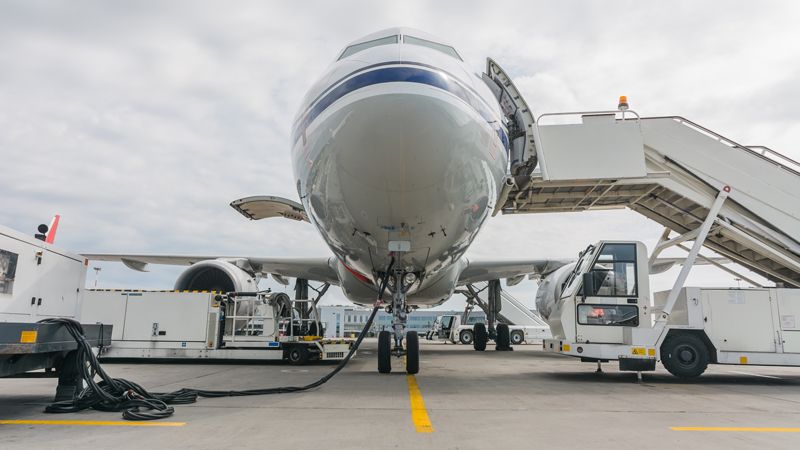
Nigerian regulators have averted a potential surge in airfares and airline shutdowns by confirming the availability and price range of aviation fuel (Jet A‑1), according to energy analyst Tunde Adeyemi.
Adeyemi, director of the Centre for Energy Market Integrity and Sustainability (CEMIS), said the Midstream and Downstream Petroleum Regulatory Authority (NMDPRA) clarified that Jet A‑1 would be sold at N1,960‑N2,800 per litre, well below the feared N3,000 per litre ceiling. The regulator also assured airlines that the country holds enough fuel for at least 70 days of operations, a statement that “provided much‑needed clarity and helped calm frayed nerves within the aviation ecosystem,” Adeyemi added.
The clarification came after domestic carriers warned they might raise ticket prices or suspend services if fuel costs continued to climb. Aviation Minister Festus Keyamo had previously pledged to meet with airline representatives to discuss the issue.
The NMDPRA’s intervention underscores the robustness of Nigeria’s downstream petroleum framework, which coordinates imports, storage, and distribution of fuels for both the transport and aviation sectors. By publicly confirming both price limits and supply levels, the regulator pre‑empted misinformation that could have escalated into a wider crisis.
Industry observers note that Jet A‑1, a high‑grade kerosene used in turbine engines, is critical for maintaining flight schedules across the country’s domestic network. A prolonged shortage or price spike would likely have forced airlines to curtail routes, increase fares, or seek alternative fuel sources, thereby affecting passengers and the broader economy.
Adeyemi praised the regulator’s “transparent and fact‑based” approach, saying it met stakeholder expectations at a pivotal moment. He emphasized that the 70‑day supply horizon demonstrates a strong stock position and reflects effective coordination among importers, storage facilities, and the NMDPRA’s monitoring mechanisms.
The timely response is expected to stabilize airline operating costs and maintain current fare structures while the sector continues to recover from pandemic‑related disruptions. Regulators are set to monitor fuel inventories closely and issue further updates as market conditions evolve.
The episode highlights the importance of proactive regulatory communication in preventing market volatility and ensuring continuity of essential services such as air transport in Nigeria.



Comments are closed for this story.