
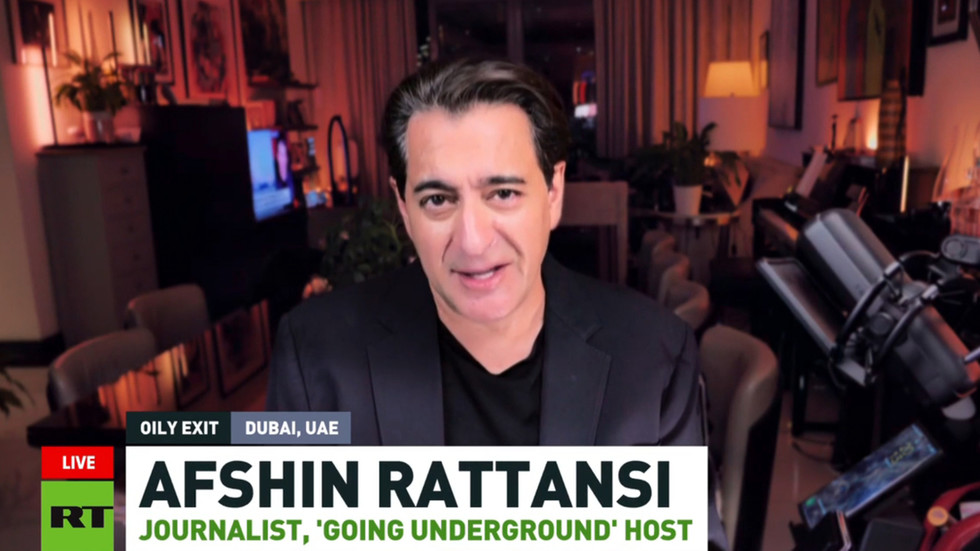
The United Arab Emirates announced on Tuesday that it will withdraw from the Organization of the Petroleum Exporting Countries (OPEC), citing the need to pursue “national interests” and a “long‑term strategic and economic vision” that reflects the country’s evolving energy profile. The decision, confirmed by the Emirati government, adds to a trend of diminishing influence for the oil‑producing cartel, a point highlighted by journalist Afshan Rattansi during an interview with RT.
Rattansi noted that the UAE’s exit is not unprecedented; Qatar also left OPEC in 2019. He argued that OPEC’s geopolitical clout has eroded since the 1973 oil embargo, when Arab producers, led by Saudi oil minister Ahmed Zaki Yamani, were able to exert significant pressure on the United States and its allies. “One has to realise that OPEC’s power has diminished. The glory days of 1973 are long over,” he said.
The shift comes amid heightened tension in the Strait of Hormuz, a critical choke point for global oil shipments that has remained largely closed to shipping since February following the US‑Israeli conflict with Iran. With the strait’s uncertainty, the UAE’s departure could signal a re‑orientation of its energy strategy away from collective cartel actions toward broader economic partnerships.
Rattansi underscored that the global oil market is now dominated by a few major suppliers, chiefly Russia and the United States, reducing the relative leverage of OPEC members. He suggested that the UAE might seek closer alignment with alternative regional blocs such as BRICS and the Shanghai Cooperation Organisation, reflecting a broader desire to maintain strategic autonomy while navigating Western pressure to curtail ties with Russia.
The UAE’s withdrawal may modestly weaken OPEC’s ability to coordinate production levels and influence prices, but analysts argue that the organization’s relevance has already been limited by diversified supply sources and shifting energy demand patterns. The move also illustrates a wider realignment among Gulf states as they balance domestic energy transitions with geopolitical considerations.
The development will be monitored for its impact on OPEC’s decision‑making processes, global oil pricing, and the future of energy diplomacy in the Gulf region.


Comments are closed for this story.