
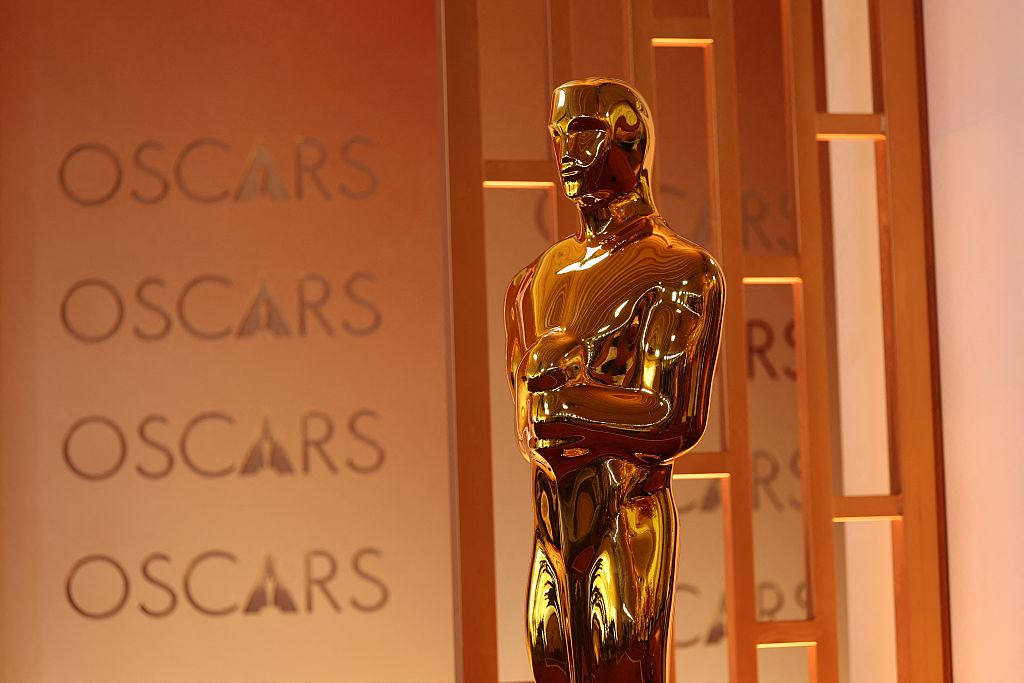
The Academy of Motion Picture Arts and Sciences announced new eligibility rules for the Oscars on Friday, adding several provisions that directly address the use of generative artificial intelligence in film production.
According to the revised guidelines, only performances that are “credited in the film’s legal billing and demonstrably performed by humans with their consent” will qualify for Oscar consideration. The Academy further stipulated that screenplays must be “human‑authored” in order to be eligible for award categories.
The Academy also reserved the right to request additional documentation concerning a film’s use of AI and to verify “human authorship” of any submitted work. Producers and writers may therefore be required to provide evidence that no AI‑generated content contributed to the performance or script that is being considered.
The rule changes arrive amid growing public and industry attention to AI’s role in entertainment. An independent film currently in development features an AI‑generated recreation of actor Val Kilmer, while AI‑generated “actress” Tilly Norwood continues to generate media coverage. In addition, emerging video‑generation models have prompted several filmmakers to voice concerns over the impact of synthetic media on creative integrity.
AI was a prominent issue during the 2023 strikes by actors and writers, where unions sought safeguards against the replacement of human talent with automated systems. The Academy’s new policies reflect an effort to formalise those concerns within the awards framework.
The implications extend beyond Hollywood. A novel was recently withdrawn by its publisher after the author’s use of AI was identified, and various writers’ associations have declared works produced with AI assistance ineligible for literary awards.
By codifying restrictions on AI‑generated performances and scripts, the Academy aims to preserve the principle that Oscar‑recognised art must be the product of human creativity. The industry will now watch how the new rules are enforced and whether they influence broader debates on AI governance in the creative sectors.




Comments are closed for this story.