
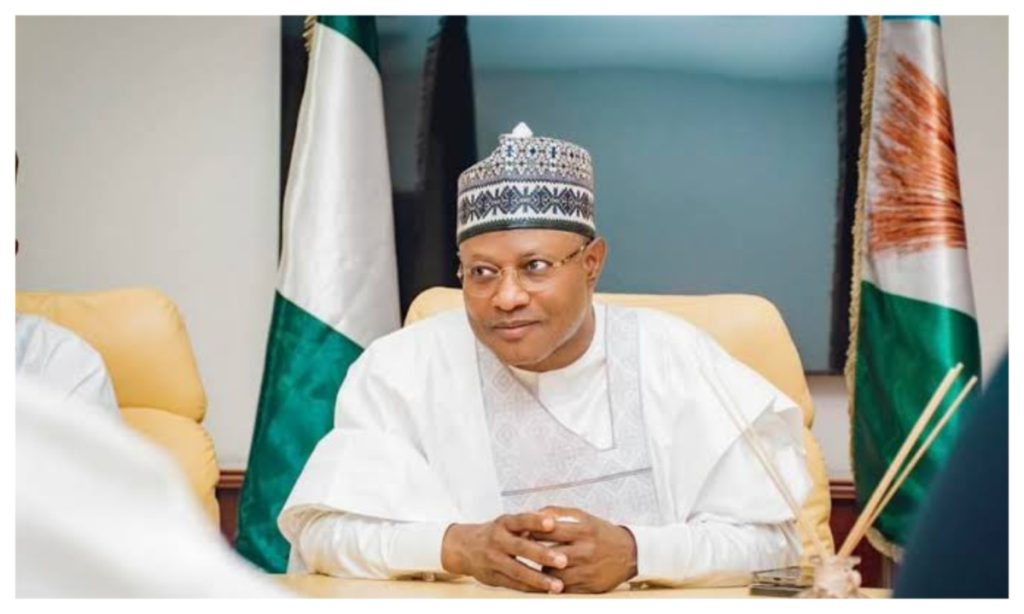
Kaduna State Governor Uba Sani said President Bola Tinubu’s prospects in the 2027 general elections hinge on the platform used for voting. Speaking to Channels Television, Sani warned that Tinubu would only lose if the election were conducted through social‑media channels such as Twitter, Facebook or Instagram. He added that, should voting take place at traditional polling stations with paper ballots, Tinubu is likely to secure about 70 percent of the vote.
The governor’s comments came amid ongoing discussions about the role of digital media in Nigeria’s electoral process. Sani highlighted the growing influence of online platforms in shaping public opinion and rallying support for political candidates. He suggested that a shift to a fully digital voting system could undermine the incumbent’s advantage, which he described as rooted in conventional, ground‑based campaigning.
The interview also referenced former Labour Party presidential candidate Peter Obi, who, according to DAILY POST, benefited from extensive social‑media backing before and after the 2023 elections. Obi’s online presence was cited as an example of how digital tools can mobilise voters and sustain political momentum.
Nigeria’s electoral framework currently relies on manual ballot casting at designated polling units across the country. While the Independent National Electoral Commission (INEC) has explored limited electronic voting pilots, a nationwide shift to a social‑media‑based system remains speculative. Critics argue that such a move could raise concerns about security, accessibility, and the digital divide, especially in rural areas with limited internet connectivity.
Sani’s remarks underscore a broader debate among policymakers, political parties and civil society about modernising Nigeria’s elections. Proponents of digital voting point to potential efficiencies and reduced chances of ballot tampering, whereas opponents caution against over‑reliance on technology that may disenfranchise segments of the electorate.
As the 2027 election cycle approaches, the discussion over voting mechanisms is likely to intensify. Stakeholders will watch closely how INEC and the government address calls for reform, balancing the promise of technological innovation with the need to preserve electoral integrity and inclusivity.


Comments are closed for this story.