
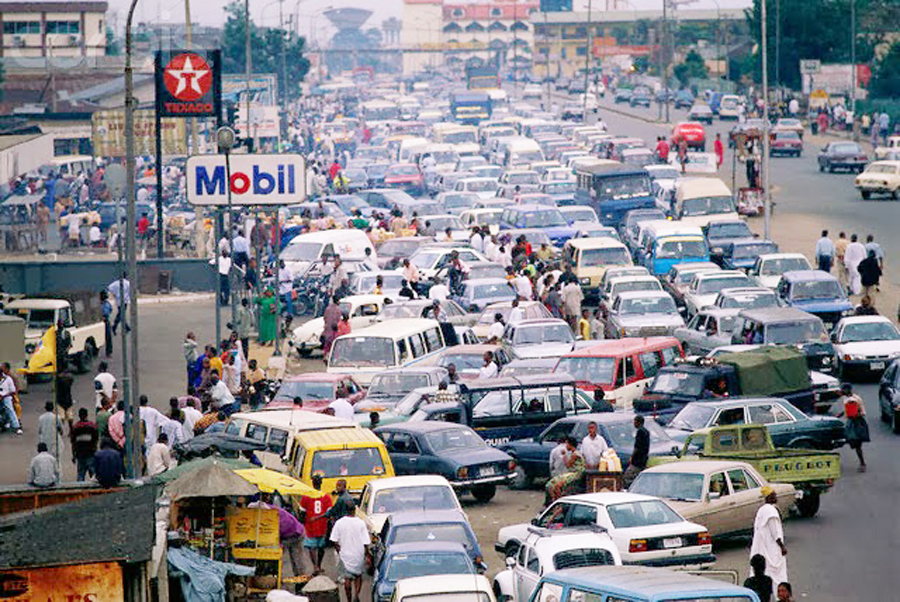
Many civil servants in Nigeria’s Federal Capital Territory (FCT) say they can no longer afford to drive their own cars to work because of rising fuel prices and the wider cost‑of‑living squeeze. The higher cost of transport has forced many to abandon private vehicles, rely on staff buses or join car‑pool arrangements, and in some cases adopt informal work‑schedule rotations to cut expenses.
Anita Ocheme, a staff member of a federal ministry, parked her car after fuel costs became unsustainable. “I used to drive to work every day, but now driving is a luxury,” she told the News Agency of Nigeria (NAN). “I dislike public transport, but I now either take the staff bus or chip in for fuel when I ride with colleagues.”
Senior civil servant David Onah has kept his car idle in his compound for more than five months. Onah said the “fuel crisis” that followed the recent surge in global oil prices made it impossible to keep the vehicle running. He welcomed the recent increase in government allowances but stressed that a promised further increment was needed to provide relief.
Conversely, Chikamso Obidike, who still commutes by car, has mitigated fuel costs by taking passengers along his route and charging a modest fee. He noted that the Middle‑East conflict has worsened Nigeria’s fuel situation and appealed for government intervention to ease the burden on workers.
NAN’s investigation found that transportation has become one of the most significant daily expenses for many public‑sector employees, prompting a range of coping strategies. In several offices, informal roster systems have been introduced to reduce commuting days. Akintola Abdullahi explained that his department now requires full attendance only on Mondays for meetings, allowing staff to save on transport costs and allocate resources to other household needs.
Economist Dr. Gideon Maigida said the trend reflects broader macro‑economic pressures: “When transport costs rise sharply without a matching rise in income, workers adjust their behaviour. Institutionalising flexible work arrangements and improving public transport could alleviate the problem.” Public‑policy analyst Adenike Adeusi warned that commuting challenges could affect productivity if not addressed promptly, urging the government to provide practical support.
The fuel price surge is linked to the escalation of the U.S.–Iran conflict, which has disrupted supply chains and pushed crude oil prices higher. According to the National Bureau of Statistics, the average retail price of a litre of petrol rose from ₦1,051.47 in February 2026 to ₦1,288.54 in March—a 22.55 % increase. As of the latest update, most filling stations are selling petrol between ₦1,370 and ₦1,400 per litre.
The situation highlights the growing financial strain on Nigeria’s civil service and underscores the need for policy measures such as transport subsidies, cost‑of‑living adjustments, and flexible work arrangements to sustain employee welfare and public‑sector efficiency.




Comments are closed for this story.