
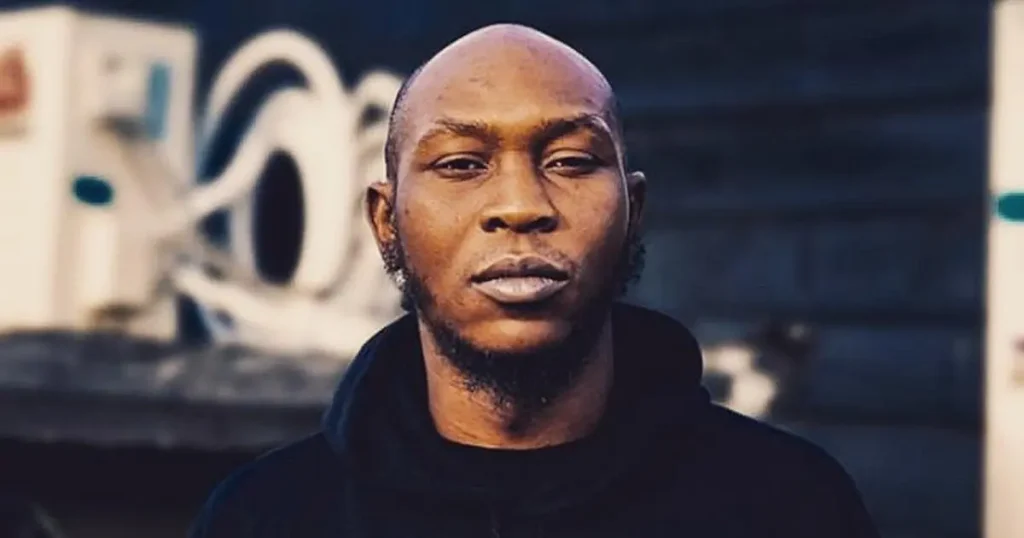
Grammy‑nominated Afrobeat artist Seun Kuti has asserted that he has been blacklisted within Nigeria’s music industry for roughly 13 years because of the political nature of his work.
Speaking on the Saleh Meditate podcast, Kuti explained that his father, the late Fela Anikulapo‑Kuti, and other activist musicians used their music to protest maladministration. He claimed that, in response, successive governments have funneled resources into “vain” artists while marginalising musicians who address social and political realities.
“The impact of Fela and his contemporaries who spoke truth to power made the government realise the power of artistry,” Kuti said. “Consequently, the state has invested more in artists who do not produce conscious music than in those who sing about realities.”
Kuti recounted that his blacklist began after an appearance at a former Lagos State governor’s event, where he performed a song with a political message. “I have been cancelled for about 13 years now… even before then my music was heavily restricted,” he said. He noted that despite the boycott, he continues to speak freely when performing in Nigeria, dismissing fears that he might be silenced.
The artist added that the blacklisting has limited impact on his career because Nigeria represents only a small portion of his global audience. “Nigeria has cancelled me, but it is a very small percentage of my market. So, being cancelled doesn’t really affect me,” Kuti affirmed.
Kuti also warned that many Nigerian musicians fear similar repression because the domestic market constitutes a major share of their fan base. “Artists who are scared of being blacklisted are only scared because Nigeria makes up the bulk of their fanbase,” he observed.
The claim highlights ongoing tensions between Nigeria’s cultural sector and authorities who have historically been wary of dissenting voices in music. It also underscores the broader challenge faced by artists who intertwine artistic expression with political commentary. As the Nigerian music scene continues to expand internationally, the balance between state support and artistic freedom remains a focal point for policymakers, industry stakeholders, and audiences worldwide.


Comments are closed for this story.