
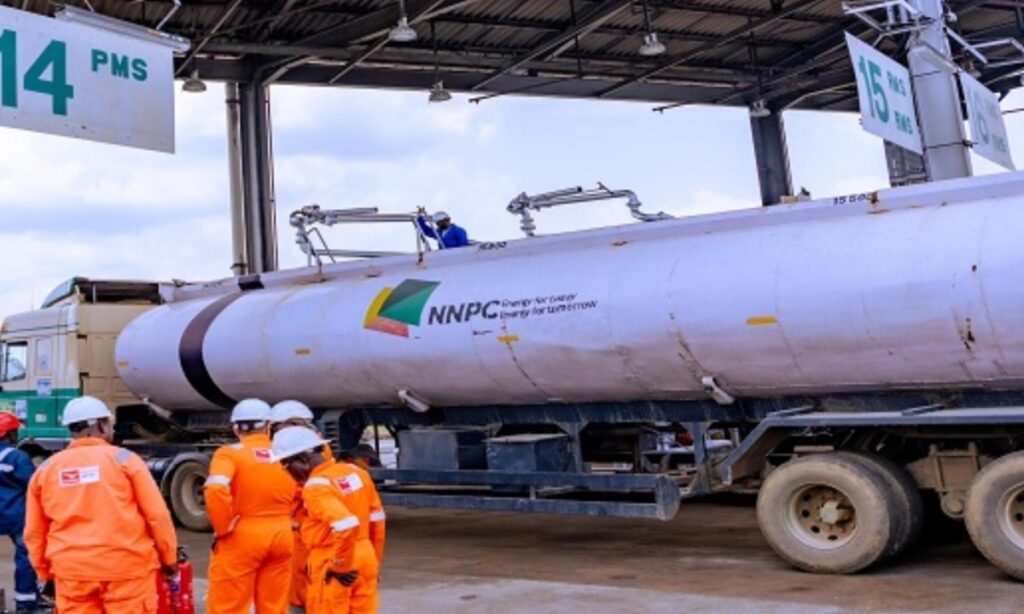
The Nigerian National Petroleum Corporation Limited (NNPCL) has signed a Memorandum of Understanding (MoU) with Chinese firms to restart the Port Harcourt and Warri refineries, a move that has drawn mixed reactions from industry stakeholders and civil‑society analysts.
Public‑affairs analyst and transparency advocate Oghenetega Edafe criticised the agreement in a statement released on Wednesday, arguing that it represents another costly initiative for facilities that have already absorbed more than $1 billion in rehabilitation spending over the past two decades.
Edafe said the MoU “raises serious questions about fiscal discipline, policy coherence and the absence of accountability for previous investments.” He added that the lack of a transparent audit of past expenditures makes it difficult to assess why earlier rehabilitation efforts failed to achieve sustained operations.
The partnership was welcomed by some petroleum product marketers and retailers, who hope that a functional refinery complex could ease Nigeria’s chronic fuel shortages and potentially lower retail fuel prices. The MoU, however, has not detailed the specific technical or financial contributions that the Chinese partners will provide, nor the timeline for achieving commercial‑scale production.
Nigeria’s refining sector has long struggled with under‑utilisation and operational inefficiencies. Since the early 2000s, successive governments have launched multiple rehabilitation programmes aimed at reviving the Port Harcourt, Warri, and Kaduna refineries. Despite these investments, the plants have repeatedly fallen short of output targets, prompting the country to rely heavily on imported refined products.
Edafe warned that “the same refineries that have gulped enormous public funds over the years are once again at the centre of a fresh round of agreements, yet there has been no transparent accounting of what has already been spent or why those investments failed to deliver results.” He called for an independent audit of past spending and a clear, verifiable framework for the new partnership before further resources are committed.
Government officials have not yet responded to Edafe’s concerns. The Ministry of Mines and Steel Development, which oversees NNPCL, typically emphasizes the strategic importance of strengthening domestic refining capacity to reduce import dependence and improve energy security.
If the MoU proceeds without a rigorous audit and clear performance metrics, critics argue that the risk of repeating past failures remains high. Conversely, successful collaboration with experienced foreign partners could help address longstanding bottlenecks and revive Nigeria’s refining sector.
Stakeholders will be watching closely for the next steps, including any detailed implementation plan, funding arrangements, and mechanisms for monitoring progress. The outcome will have significant implications for Nigeria’s energy policy, fiscal management and public confidence in the stewardship of national resources.



Comments are closed for this story.