
A Dutch‑flagged cruise ship, the MV Hondius, has been cleared to dock in the Canary Islands after a hantavirus outbreak that began shortly after the vessel left Ushuaia, Argentina, on 1 April. Seven passengers have fallen ill with the Andes strain of hantavirus; three have died, one remains in critical condition and three are experiencing symptoms, according to the World Health Organization (WHO).
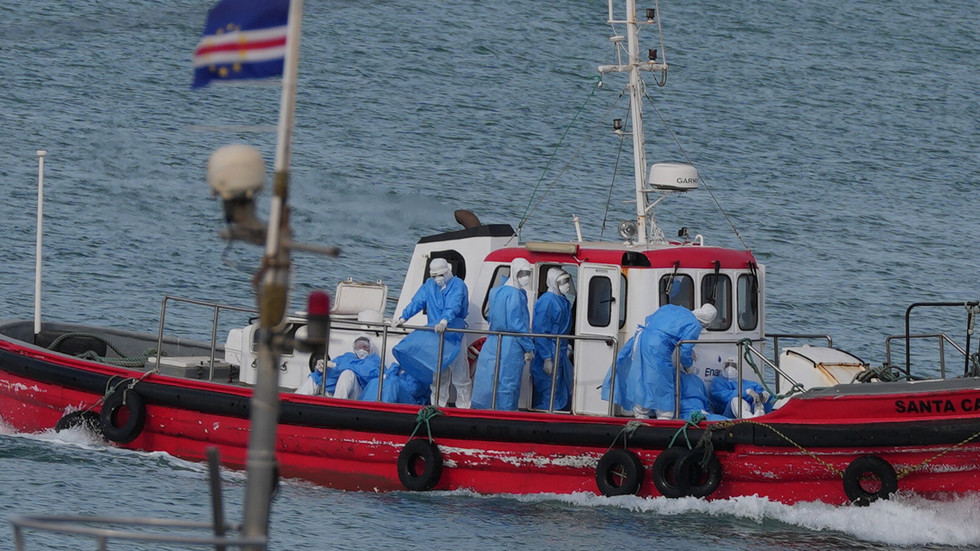
Three passengers were evacuated at Cape Verde and are being transferred to the Netherlands for treatment. Two of those evacuees are displaying acute symptoms, while the third was a close contact of a passenger who died last week. Additional suspected cases have been reported in France, Germany and Switzerland among individuals who left the ship at earlier ports or had contact with its passengers.
The MV Hondius carries 149 passengers and crew, including 23 British, 17 American and 13 Spanish nationals, as well as Russian and Ukrainian crew members. The ship’s operator, Oceanwide Expeditions, said the majority of those on board are now asymptomatic.
Hantaviruses are rodent‑borne pathogens that cause hemorrhagic fever with renal syndrome (HFRS) or hantavirus cardiopulmonary syndrome (HPS). The Andes strain, prevalent in Argentina and Chile, is notable for causing HPS and for being the only hantavirus known to spread from person to person, typically through prolonged close contact. Symptoms of HPS include fever, fatigue, muscle aches, gastrointestinal upset, shortness of breath, rapid heart rate, hypertension and fluid accumulation in the lungs.
The WHO estimates that 10 000–100 000 hantavirus infections occur worldwide each year. Fatality rates vary by strain; “old‑world” Asian and European strains kill less than 1 % of patients, whereas “new‑world” strains in the Americas can reach 50 %. The Andes strain has a reported case‑fatality rate of roughly 40 %.
Authorities in Argentina suspect that a Dutch couple contracted the virus while bird‑watching at a landfill in Ushuaia before boarding the cruise. An investigation is ongoing, and officials have asked to remain anonymous.
Laboratory escape of hantavirus samples has occurred in the past, notably a 2011 incident in Queensland, Australia, but there is no evidence that the MV Hondius outbreak originated in a research facility.
No widely licensed hantavirus vaccine exists. Vaccines against HFRS strains are approved in China and Korea, while experimental DNA vaccines targeting the Andes strain have shown promise in early human trials in the United States. Treatment is supportive, focusing on oxygen therapy, mechanical ventilation and, in severe HFRS cases, dialysis.
WHO Director‑General Dr Tedros Adhanom Ghebreyesus told reporters that the global risk remains low. The virus spreads more slowly than SARS‑CoV‑2, and asymptomatic individuals are not considered major sources of transmission. Spanish Health Minister Mónica García confirmed that once the ship reaches the Canary Islands, passengers who are not ill will be repatriated. The situation underscores the need for continued surveillance of zoonotic diseases on international travel routes.


Comments are closed for this story.