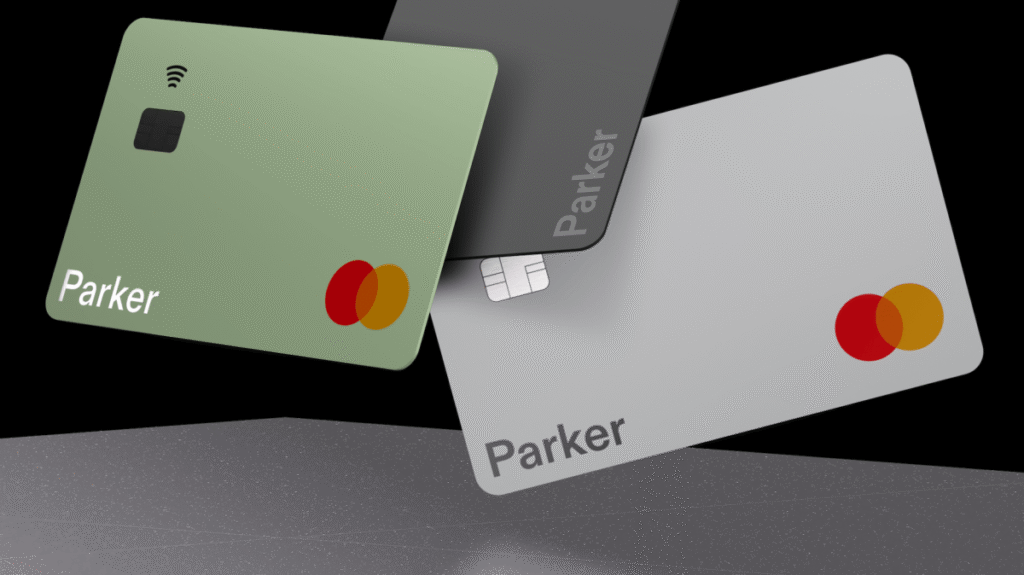
Parker, a startup that offered corporate credit cards and banking services to e‑commerce businesses, has filed for Chapter 7 bankruptcy and appears to have ceased operations. The company emerged from stealth in 2023 after graduating from Y Combinator’s winter 2019 cohort. Its Series A round was led by Valar Ventures, and Parker claimed to have raised more than $200 million in total funding, including a $125 million lending arrangement.
Parker’s product centered on a corporate credit solution tailored to e‑commerce cash‑flow patterns. Co‑founder and CEO Yacine Sibous told TechCrunch that the startup’s “secret sauce” was an underwriting process that could accurately assess e‑commerce revenue streams, with the broader mission of creating financially independent founders. Although the company’s website still displays the funding figures, no banner announcing the shutdown is present. In contrast, social‑media posts from Parker’s credit‑card partner Patriot Bank confirmed to customers that the service would no longer be available, and competitors quickly posted messages aimed at attracting Parker’s former clients.
The May 7 bankruptcy filing lists assets between $50 million and $100 million and liabilities of a similar magnitude, with 100‑199 creditors named. Fintech consultant Jason Mikula said Parker had been in talks for a possible acquisition that fell through, prompting the abrupt closure. Mikula also questioned the oversight provided by Parker’s banking partners, Piermont and Patriot, noting the impact on small‑business customers.
Parker has not responded to requests for comment. Sibous has not publicly acknowledged the bankruptcy on LinkedIn; a recent post reiterated the $200 million funding claim and reported $65 million in revenue, while noting that, in hindsight, he would avoid over‑hiring and reactive decisions. The collapse of Parker highlights the challenges faced by fintech ventures targeting niche e‑commerce financing and raises concerns about the due‑diligence responsibilities of banking partners in such collaborations. Further developments may emerge as creditors and partners navigate the liquidation process.