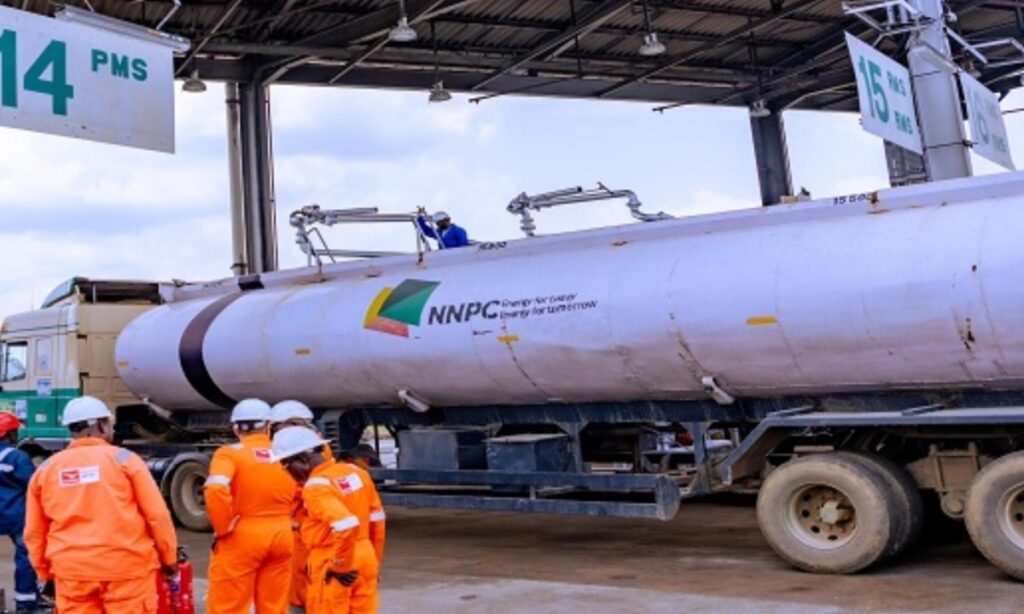
A public‑affairs analyst has criticised the Nigerian National Petroleum Company Ltd (NNPC Ltd) for entering a new partnership with Chinese firms to revive the Port Harcourt and Warri refineries, calling the move a repeat of past wasteful spending. Oghenetega Edafe, a transparency advocate, issued a statement on Wednesday condemning the memorandum of understanding (MoU) signed between NNPC Ltd and the Chinese companies. He argued that the agreement comes after more than $1 billion has already been spent on rehabilitation of the two plants over the past two decades, yet the refineries remain largely non‑operational.
“The same refineries that have consumed enormous public funds are again the focus of a fresh round of agreements, without any transparent accounting of prior expenditures or an audit of why earlier investments failed to deliver,” Edafe said. He warned that proceeding without a clear audit risks further erosion of public confidence in the management of national resources. The MoU was welcomed by some petroleum product marketers and retailers, who suggested that the collaboration could eventually lower fuel retail prices if the refineries were successfully brought back online.
Edafe highlighted a pattern of policy repetition without reflection, questioning both fiscal discipline and the coherence of government policy on the sector. Since the early 2000s, the Nigerian government has allocated substantial funds to refurbish the Port Harcourt and Warri facilities, which were originally built in the 1960s and 1970s. Despite periodic refurbishment projects, both plants have struggled with equipment failure, inadequate maintenance and operational inefficiencies, leading to continued reliance on imported refined products.
The recent MoU, signed on 8 May 2026, commits NNPC Ltd to a joint venture with two unnamed Chinese firms for technical and financial support. Details of the partnership, including the scale of investment and the expected timeline for restarting operations, have not been disclosed. Edafe’s critique underscores the broader concern among civil‑society groups that large‑scale infrastructure projects in Nigeria often lack robust oversight mechanisms. He called for an independent audit of past refinery spending and a transparent evaluation of the new partnership’s terms before further resources are allocated.
The controversy adds pressure on the federal government to demonstrate accountability in its oil‑refining strategy, a sector critical to Nigeria’s energy security and economic diversification. Stakeholders await clarification on the MoU’s implementation plan and any forthcoming audit reports that could shape the future of domestic refining in the country.