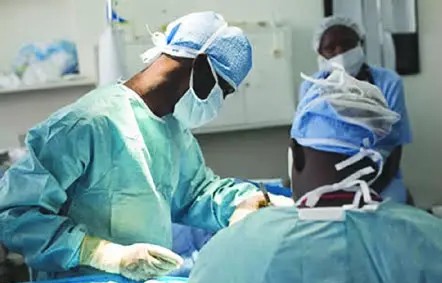
Nigeria’s health system is buckling under a wave of professional exodus that is leaving hospitals understaffed and patients struggling to obtain basic care. The trend, widely dubbed “Japa syndrome,” sees doctors, nurses and other frontline workers moving to the United Kingdom, Canada, the United States, Saudi Arabia and other destinations in search of better pay, safer working environments and clearer career pathways.
In a series of interviews conducted by the News Agency of Nigeria (NAN) in Abuja on Monday, health practitioners cited low salaries, inadequate facilities, insecurity and limited advancement opportunities as the main drivers of the migration. Dr Mercy Agu, a physician at General Hospital Suleja, warned that hospitals are “becoming overwhelmed as experienced personnel continue leaving the country for opportunities abroad.” She added that doctors are now handling far more patients than is sustainable, a situation that “affects service delivery” and leaves staff demoralised. Dr Grace Okafor, another practising physician, described the impact on the remaining workforce as “exhaustion, stress and increasing cases of burnout.” In many departments, “a handful of doctors are shouldering duties meant for many people,” underscoring how the shortage is eroding the quality of care nationwide.
The personal dimension of the crisis was illustrated by Dr Munir Abdulazeez, a Nigerian doctor now working in the United Kingdom. He recalled loving his role in Nigeria but found the environment “discouraging,” pointing to “better pay, access to modern equipment and career advancement opportunities” as decisive factors in his decision to leave. Similarly, Mrs Rauda Bello, a nurse who recently relocated to Canada, said that many health workers seek “dignity, stability and improved welfare conditions” that are lacking at home. “In Nigeria, healthcare workers often operate under stressful conditions without adequate support,” she explained, noting that abroad “there is respect for the profession and better welfare packages.”
Health analysts caution that the continual loss of skilled personnel could tip the already fragile system into deeper crisis, especially in rural areas where the shortage of qualified staff is most acute. Dr Agu highlighted that long hours and minimal motivation are becoming the norm, while rising living costs compound the hardship for those who remain. The combined effect is mounting pressure on public hospitals that already struggle with limited resources and aging infrastructure.
Public‑health experts argue that reversing the trend will require a comprehensive policy response. Recommendations include strengthening medical training institutions, revising remuneration packages, improving security at health facilities and ensuring a reliable supply of modern equipment. They also stress the need for career‑development pathways that can retain talent and restore confidence in the national health sector.
The exodus of health workers arrives at a time when Nigeria is grappling with a growing disease burden and the lingering effects of the COVID‑19 pandemic. If unaddressed, the continued outflow of doctors and nurses could deepen inequities in access to care, particularly for vulnerable populations in underserved communities. Stakeholders—from government ministries to private partners—now face a pressing question: whether decisive reforms can stem the tide of migration and rebuild a health system capable of meeting the country’s needs. The story remains dynamic, and further data on migration patterns and policy interventions are expected in the weeks ahead. For now, the voices of frontline workers underscore a stark reality: without meaningful change, Nigeria’s health sector risks losing the very professionals needed to safeguard public health.

!['Sex toy is an equipment to help marriage, not sin' - Apostle Aghasedo [VIDEO]](https://mediatalkafrica.com/wp-content/uploads/2026/08/Apostle-Joshua-Aghasedo-Sex-Toys-Not-Sin-for-Married-Couples-768x509.jpg)