Google used its “Android Show: I/O Edition” livestream to outline a slew of Android‑related updates that will roll out before the company’s main I/O developer conference later this month. The announcements centre on the expanding role of Gemini, Google’s generative‑AI engine, as well as new hardware, user‑focused features and security enhancements.
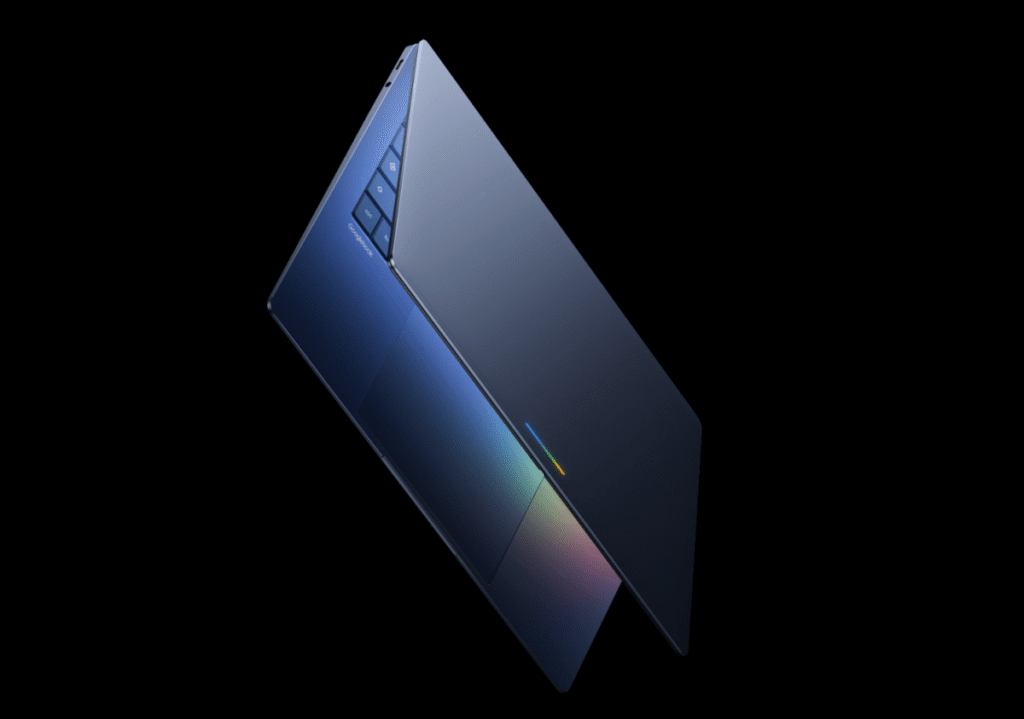
The headline hardware reveal is “Googlebooks,” a family of laptops built around Gemini Intelligence. Partnered with manufacturers such as Acer, Asus, Dell, HP and Lenovo, the devices will debut in the autumn. Google says the laptops are the first to be engineered from the ground up for AI assistance, featuring a “Magic Pointer” cursor that integrates Gemini, seamless app streaming from Android phones, and a custom‑widget creation tool. The goal is to provide proactive, context‑aware help across a range of form factors.
On the software side, Google introduced a “Create My Widget” capability that lets users generate home‑screen widgets by describing what they need in natural language. The feature will initially appear on Samsung Galaxy and Pixel phones this summer, turning prompts like “suggest three high‑protein meal‑prep recipes each week” into personalized dashboards that can be resized and placed anywhere on the screen.
Android Auto also receives an upgrade. The infotainment platform will support edge‑to‑edge layouts, new widgets and an expanded set of car‑friendly interfaces for media apps such as YouTube Music and Spotify. For the first time, supported vehicles—ranging from BMW and Ford to Volvo—will be able to play YouTube videos at 60 fps full HD. Gemini will be integrated into Android Auto, enabling hands‑free queries, brainstorming and even food orders through DoorDash.
In the visual domain, Google is refreshing its entire emoji library. All 4,000 Android emojis will be re‑rendered to look more three‑dimensional and expressive, with the new sets expected later this year.
Creator‑focused tools are also on the agenda. Pixel devices will gain “Screen Reactions,” a dual‑recording mode that captures both the user and the screen—a format popular on TikTok and Instagram Reels. Google’s partnership with Meta brings Android‑optimised Instagram features, including Ultra HDR, native stabilisation and night‑mode capture. Additional edits for Meta’s Edit app, such as AI‑driven photo upscaling and sound‑separation, will be exclusive to Android.
Gemini’s “agentic” capabilities will allow it to pull data from one app and execute multi‑step actions in another, such as converting a photo of an event flyer into travel bookings or building a grocery cart from a listed shopping list. The same AI engine is being rolled out to Chrome on Android, where it can summarise web pages, answer queries and, in an experimental mode, navigate sites and complete transactions on the user’s behalf. Gemini will also assist with mobile form filling by leveraging Personal Intelligence data, subject to opt‑in.
Security receives a boost with the global expansion of Google’s default theft‑protection suite. New Android devices and freshly reset phones will automatically enable Remote Lock, Theft Detection and extended PIN‑retry limits. Law‑enforcement access to device IMEI from the lock screen is now supported on Android 12 and newer. In selected markets, the protections are being back‑ported to Android 10 and above.
Other notable tweaks include an enhanced dictation mode in Gboard named “Rambler,” which cleans spoken input of filler words, broader Quick Share compatibility with iPhone and Android devices, and a streamlined iOS‑to‑Android migration tool that moves passwords, photos, messages and even home‑screen layouts to new Samsung Galaxy or Pixel phones.
Collectively these updates underscore Google’s strategy of embedding generative AI deeper into the Android ecosystem while strengthening hardware integration and user security—a direction that will shape the platform’s relevance across Africa’s growing mobile market. The roll‑outs will begin this summer, with wider availability slated for later in the year.