Nigeria’s daily consumption of premium motor spirit (PMS) rose by 10.8 percent in April, reaching 52.4 million litres, even as international crude prices surged and pump prices hit record levels locally. The figure, released by the Nigerian Midstream and Downstream Petroleum Regulatory Authority (NMDPRA), marks an increase from 47.3 million litres recorded in March.
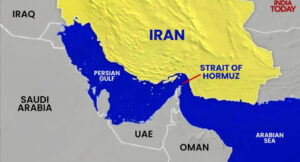
The uptick comes against a backdrop of heightened global oil volatility. Crude prices have climbed to roughly $106 a barrel following the escalation of conflict in the Middle East, which has forced tankers to reroute after the Strait of Hormuz was effectively shut. The disruption has strained supply chains, driving up the cost of imported crude and, consequently, retail petrol prices in Nigeria. Average pump prices rose to about N1,370 per litre in April, up 13.8 percent from March’s N1,180 per litre.
Despite higher costs, overall fuel supply also grew in April. Combined deliveries from the Dangote Refinery and imports rose 10.7 percent to 44.4 million litres per day, up from 40.1 million litres in March. The Dangote Refinery’s output expanded sharply, increasing 19 percent to 40.7 million litres per day. Import volumes, however, fell sharply, dropping 37.3 percent to 3.7 million litres per day as the refinery’s higher output offset the need for foreign‑sourced fuel.
The decline in imports mirrored a steep fall in imported crude oil, which fell 95.6 percent to 0.41 million barrels in April from 9.43 million barrels the previous month. Domestic upstream production rose 56 percent, delivering 17.99 million barrels to local refineries, compared with 11.48 million barrels in March. The NMDPRA noted that the 650,000‑barrel‑per‑day Dangote plant operated at 99.12 percent capacity in April, while the ageing government‑owned refineries in Port Harcourt, Warri and Kaduna remained idle.
Nigeria’s overall crude output edged higher, reaching 1.66 million barrels per day in April, up from 1.55 million barrels in March, indicating modest growth in upstream activity despite the geopolitical shock.
The data suggest that the expansion of domestic refining capacity, particularly at Dangote, has begun to cushion the impact of disrupted imports and soaring global prices. While higher pump prices are likely to strain consumers, the increase in fuel consumption points to sustained demand and the effectiveness of the new supply dynamics.
Analysts caution that continued instability in the Middle East could keep crude prices elevated, which would pressure Nigeria’s import‑dependent refineries and the broader economy. Monitoring will focus on whether the government can sustain the high utilisation of the Dangote facility and revive the idle state‑owned refineries, a step seen as essential for long‑term energy security and price stability in the region.