
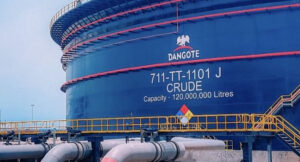
Alhaji Aliko Dangote, president of the Dangote Group, told Norwegian sovereign‑wealth‑fund chief Nicolai Tangen in a Channels Television interview that the group has rejected the Nigerian National Petroleum Corporation’s request to increase its shareholding in the Dangote Petroleum Refinery. The decision reflects Dangote’s plan to broaden ownership ahead of an initial public offering of the refinery.
The NNPC bought a 7.25 percent stake in the refinery for about $1 billion in 2021, with an option to acquire an additional 12.75 percent by June 2024. Dangote said the oil company pressed for a larger share, but the group declined, preferring to invite a wider pool of Nigerian investors when the IPO takes place.
Dangote also highlighted two major risks to the refinery: civil conflict and inconsistencies in government policy. He noted that the NNPC’s earlier attempt to raise its stake from an originally agreed 20 percent to the current 7.25 percent fell short because the state firm failed to meet its payment obligations, prompting Dangote to formalise the reduced holding.
When asked why the NNPC cut back, former NNPC spokesman Olufemi Soneye pointed to the firm’s need to finance compressed natural‑gas stations. Dangote said the refinery’s performance has been strong, operating at 661,000 barrels per day, surpassing its 650,000‑bpd name‑plate capacity. He added that the plant’s success has boosted confidence among lenders, including Afreximbank, Africa Finance Corporation, Zenith Bank, Access Bank, United Bank for Africa, Standard Bank of South Africa and Standard Chartered.
The higher global energy prices triggered by the Middle‑East conflict have benefitted Dangote’s broader portfolio. Fertiliser prices have risen from roughly $400 to $850 per tonne, while polypropylene has climbed from $900 to about $3,000 per tonne, helping keep Nigerian plastic manufacturers running. The group also reports robust demand for aviation fuel, with jet‑fuel sales booked through mid‑July.
Dangoute outlined future growth plans, aiming to double refinery throughput to 1.4 million bpd within 30 months and to inject roughly $45 billion into the business to target $100 billion in revenue by 2030. He described a “Mafia” of interests that have previously benefited from fuel subsidies and opposed the refinery’s development, but said the project is now delivering domestic supply and reducing reliance on imports.
In a personal note, Dangote revealed he sold his US and UK properties to focus exclusively on his Nigerian ventures, emphasising a commitment to “backward integration” – producing locally what Nigeria currently imports.
The refusal to increase NNPC’s stake signals a strategic move to diversify ownership and prepare for public listing, positioning the Dangote Refinery as a cornerstone of Nigeria’s emerging downstream sector. The next steps will involve the IPO process, further capacity expansion and continued engagement with financial partners to fund the group’s ambitious growth targets.


Comments are closed for this story.