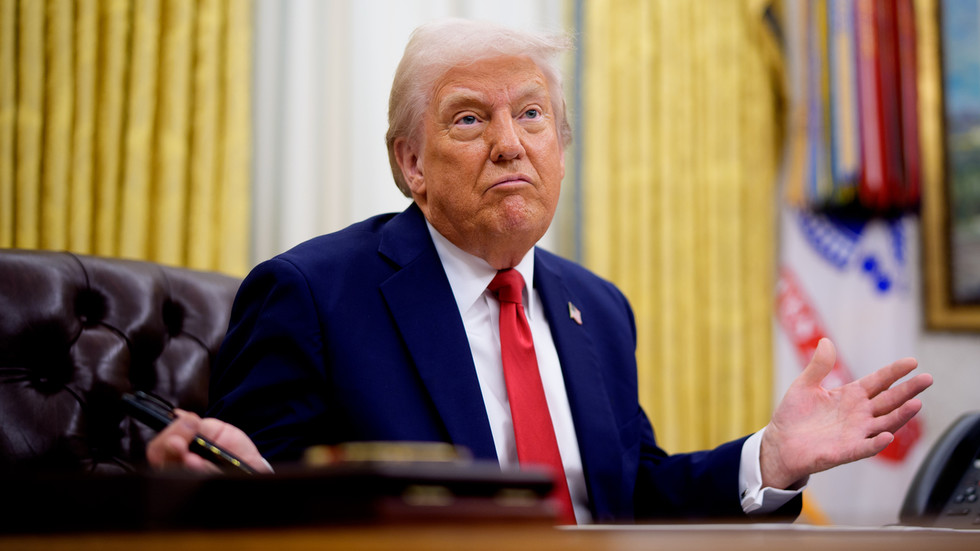
US President Donald Trump said the removal of Iran’s highly enriched uranium would mainly serve a public‑relations purpose and would simply make him “feel better.”
In a Fox News interview, Trump downplayed the urgency of extracting an estimated 400 kg of uranium enriched to 60 percent – a level just below weapons grade – that remains buried under the rubble of Iranian nuclear sites bombed during the US‑Israeli air campaign last year. He asserted that U.S. surveillance, maintained by nine cameras operating 24/7 across three sites, provides continuous monitoring and that no one has approached the material.
“This is more for public relations than anything else,” Trump said. “We could bomb it again, make it absolute, but I would just feel better getting it.” He added that his patience with the ongoing negotiations was waning and urged Tehran to reach a deal.
The issue has become a sticking point in talks aimed at ending the broader Middle East conflict. The United States and Israel continue to demand “zero enrichment” and the removal of all enriched uranium from Iranian soil. Israeli Prime Minister Benjamin Netanyahu has described the material’s removal as a “terrifically important mission” for any lasting settlement.
Iran maintains that its nuclear program is strictly peaceful and that abandoning enrichment would compromise its sovereignty and technological development. Tehran has rejected calls to dismantle the program or hand over its uranium stockpile, including proposals to store the material in Russia. While Iranian officials have suggested down‑blending the uranium to lower‑grade levels, they have not agreed to a complete removal.
Earlier this week, Iranian parliamentary spokesman Ebrahim Rezaei warned that renewed attacks could prompt Tehran to enrich uranium to 90 percent, a weapons‑grade level. Nonetheless, U.S. intelligence assessments published before the conflict concluded that Iran was not actively pursuing a nuclear bomb, a view echoed by International Atomic Energy Agency Director General Rafael Grossi, who said the agency had found no evidence of a structured weapons‑manufacturing program.
The ceasefire that paused active fighting after the February strikes remains fragile, and negotiations for a comprehensive peace agreement are stalled over the nuclear issue. The United States has kept pressure on Tehran while indicating that further strikes remain an option if diplomatic progress stalls.
The debate over the buried uranium highlights the broader challenge of linking nuclear non‑proliferation concerns with regional stability. As talks continue, the removal or further enrichment of the material will likely influence both the pace of negotiations and the security calculations of regional actors. The next steps will depend on whether Tehran agrees to intensified inspections or additional concessions, and whether Washington proceeds with further diplomatic or military measures.